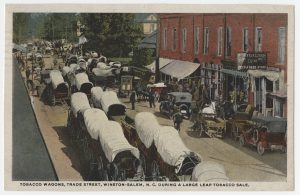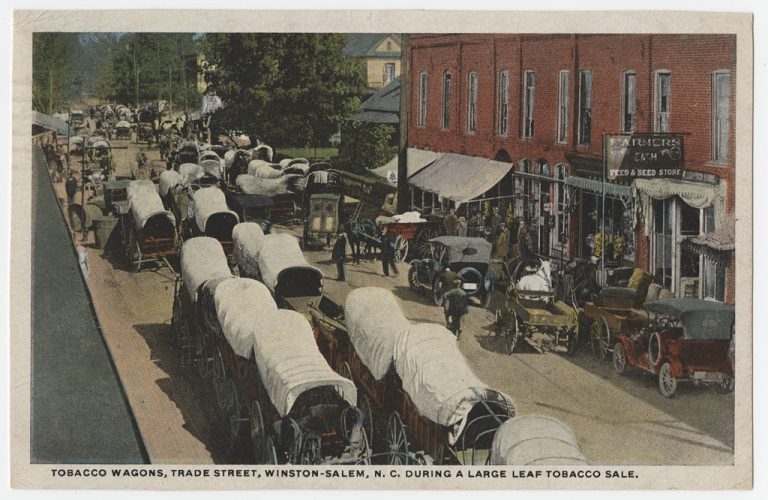
On a Tuesday evening in October, around six o’clock, Trade Street does something I didn’t expect the first time I saw it: it gets busy. Not chaotic, not touristy — just genuinely alive. People walking between galleries, a few spilling out of bars, somebody’s dog tied to a bike rack outside the framemaker’s. It was the kind of scene that makes you feel like a city is actually working.
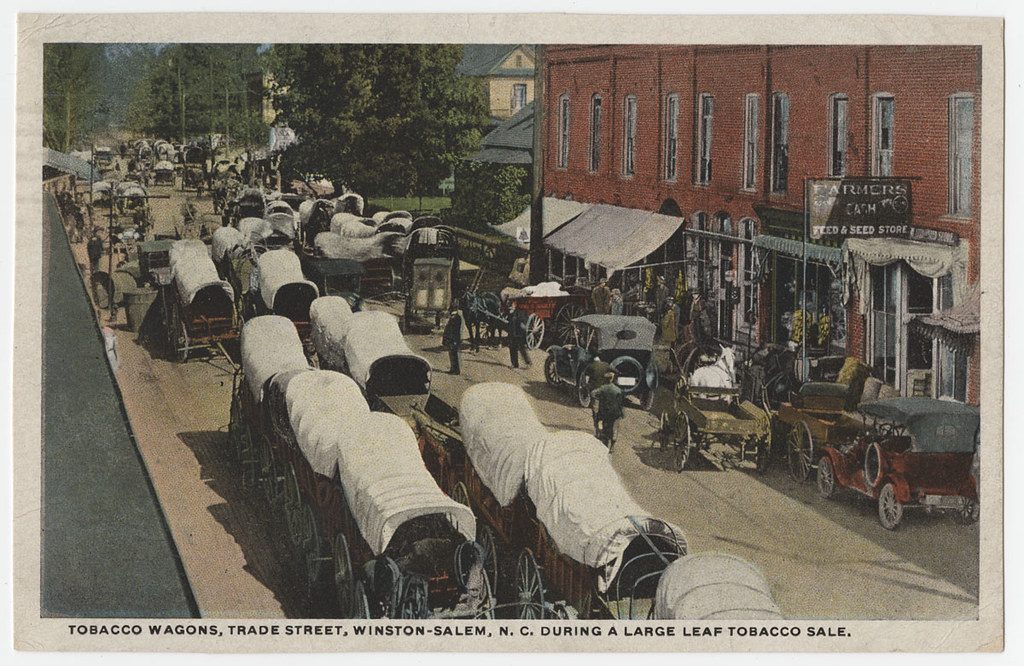
Winston-Salem’s Arts District runs along Trade Street through the downtown core, roughly from about Fifth Street down toward the junction near Salem College. It’s a walkable stretch — maybe ten city blocks if you count the side streets worth wandering — and it has accumulated, over the past twenty years or so, into something that most mid-sized Southern cities don’t have: a cluster of working artists, galleries, studios, and small businesses that coexist without feeling curated or themed.
The anchor institutions help. The Sawtooth School for Visual Art has been here long enough to feel permanent, offering classes in ceramics, photography, printmaking, and painting to everyone from retirees to teenagers. I’ve watched a friend take a beginner pottery class there for forty-something dollars and walk out talking about it for a week. The Winston-Salem Artists’ Council runs a gallery space on the same stretch, and on the third Friday of each month, the district holds a gallery hop — usually free — that opens studios and shows across multiple venues simultaneously.
Third Friday is the best single reason to plan a visit around a specific date. I’ve done it probably eight or nine times now. It runs from about six to nine in the evening, it costs nothing to participate, and you can wander in and out of a dozen spaces in a single night. Some shows are polished and institutional; some are a local painter who rented a pop-up space for the month. The mix is what makes it. I’ve bought two pieces of art at Third Friday events — small prints, affordable — and I’ve had conversations with artists I would never have encountered otherwise.
The street itself rewards slow walking. Liberty Arts does metalwork and fabrication classes out of an industrial space a block off Trade. Olio has been a steady presence as a community arts gathering spot. Smaller studios — painters, illustrators, jewelers — cycle through storefronts at a rate that keeps things from ever feeling stale. If you haven’t been in six months, something will be different.
Coffee and food options have filled in around the arts presence rather than the other way around. The neighborhood’s daytime character is quieter: people working, not performing. By evening, it shifts. You’ll find parking on the side streets without much trouble most nights, though Third Friday is the exception — give yourself time and expect to walk a few blocks from wherever you land.
What I keep coming back to is that the Arts District doesn’t ask anything of you. You can show up with no agenda, no prior knowledge of the artists, no particular taste, and still have a genuinely good two hours. It’s not a destination built for visitors, which is exactly why visitors should go. The city uses it like a neighborhood, and that’s the best endorsement I can give.