There are places you visit and places that stay with you long after you’ve driven home, washed the trail dust off your boots, and tried — and failed — to adequately describe them to friends. Smith Rock State Park, about 25 minutes north of Bend near the small town of Terrebonne, is firmly in the second category. The first time you crest that final hill on the access road and the canyon opens up before you, it genuinely stops your breath.
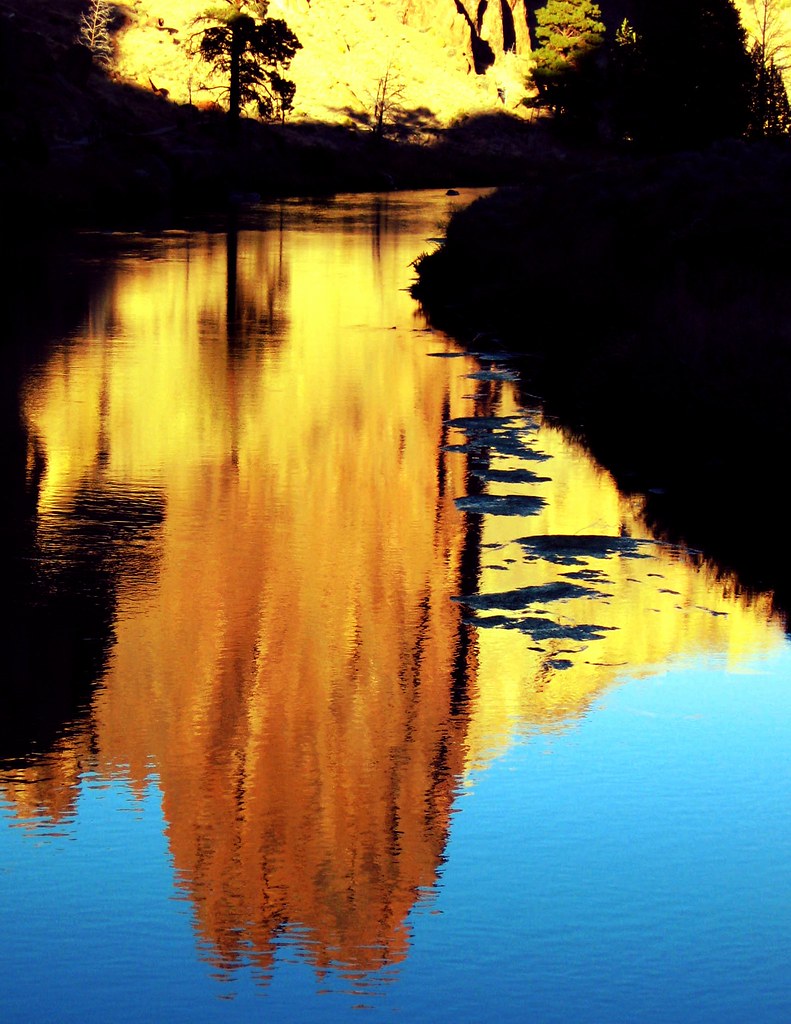
Towering columns of volcanic tuff and rhyolite rise nearly 800 feet above the Crooked River, painted in shades of rust, gold, and deep ochre depending on the time of day. Smith Rock is widely credited as the birthplace of American sport climbing — this is where pioneers like Alan Watts established routes in the 1980s that changed the trajectory of the sport. But you don’t need to clip a single bolt to fall in love with this place. The park welcomes hikers, photographers, birders, fly fishers, and anyone who simply needs to stand somewhere magnificent for a while.
The most popular route for first-time visitors is the Misery Ridge Loop, a roughly four-mile circuit that earns its dramatic name about halfway through. The ascent up Misery Ridge is steep — we’re talking switchbacks that will have your calves protesting — but the payoff at the top is a panoramic view that stretches across the high desert to the Cascade peaks: Mount Jefferson, Three-Fingered Jack, the Sisters, and on clear days, even Mount Hood shimmering on the northern horizon. Budget two to three hours for this loop at a relaxed pace, and bring far more water than you think you need, especially between June and September when temperatures on those exposed ridgelines can surprise you.
If you prefer something gentler, the Riverside Trail hugs the Crooked River at canyon bottom and offers a completely different perspective — smooth, mostly flat, and spectacular in its own quiet way. Watch for golden eagles and prairie falcons riding thermals overhead, and keep an eye on the cliff faces where climbers move like colorful spiders against the stone.
The park has a well-maintained day-use area with restrooms, a small concession stand, and a bivy camping area for those who want to wake up with the canyon all to themselves before the day-trippers arrive. Parking fills early on weekends, so aim to pull into the lot before 9 a.m. if possible, or consider a weekday visit when the trails feel almost private.
Smith Rock is open year-round, and honestly, every season has its own argument. Spring brings wildflowers scattered across the sage flats. Summer evenings glow amber on the spires. Autumn layers the canyon in cool, crystalline light. Winter dusts the rock faces with snow and empties the parking lot entirely. Whatever time of year you find yourself in Bend, carve out a morning for this place. You will not regret it.