Flydubai captain Smit Machchhar became an international hero after he repelled a violent attack by his copilot on flight FZ 1073 bound for Tel Aviv. In his first public remarks, Machchhar explained that he kept fighting because he could not “let everybody else die.”
What happened in the cockpit
During the flight, the copilot asked to step aside to pray, a request Machchhar did not find unusual. Moments later, Machchhar was struck in the back of the head and repeatedly assaulted. He initially feared catastrophic damage to the aircraft, but soon realized the danger came from the attacker.
Despite severe injuries and massive blood loss, Machchhar managed to wrest open the cockpit door after the attacker closed it. Passengers rushed in, subduing the assailant and preventing a potential disaster.
Leaders commend his bravery
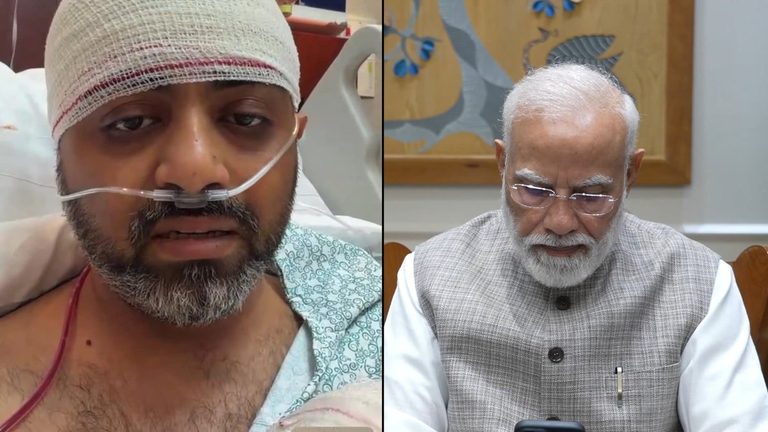
In a video call with India’s Prime Minister Narendra Modi, Machchhar recounted the ordeal and expressed pride in his actions. Modi praised his “courage, patience and quick thinking” that saved many lives.
Israeli Prime Minister Benjamin Netanyahu also lauded Machchhar, calling him a “hero of Israel, a hero of India, and a hero of the entire world.” Netanyahu invited Machchhar and Modi to light a ceremonial flame at Israel’s Independence Day celebrations next spring.
Recovery and family
Machchhar is recovering in a hospital in Abu Dhabi after initial treatment in Saudi Arabia, where the diverted plane made an emergency landing. He is a father of two; his youngest son is two years old. His wife, Sonal Machchhar, said the family is focusing on his full recovery and avoiding flashbacks of the incident.
Dental professional Shota Musaev, a passenger who helped treat Machchhar, described the pilot’s injuries as “severely wounded” with “massive blood loss.”
Impact of the incident
The swift action of Machchhar and the passengers averted what could have been a catastrophic event, with Netanyahu noting it prevented a disaster comparable to the September 11 attacks.
Original reporting: KEYT (Ventura/Santa Barbara) — read the source article.