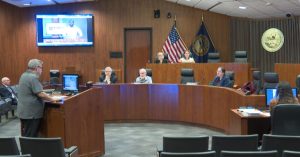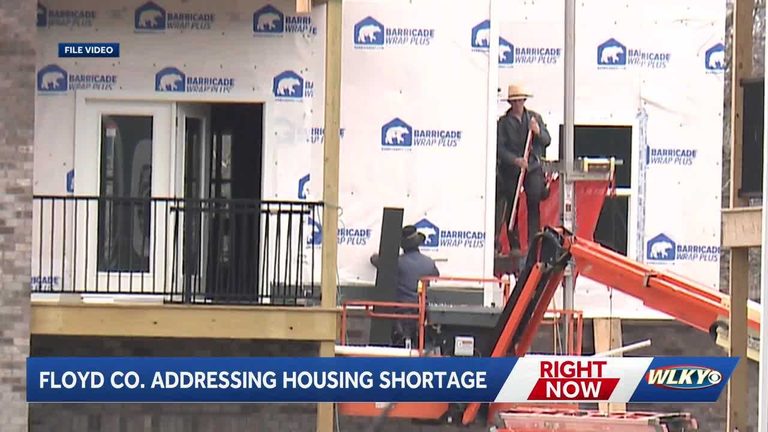
Floyd County officials gathered this week to discuss how the county will address a looming housing shortage. Under a new Indiana state law that requires local governments to confront housing affordability and availability, the county is reviewing its zoning ordinance—last updated in 2006—and looking at infrastructure improvements needed to support future growth.
Projected growth drives the need for action
The Indiana Association of Realtors reports that Floyd County is projected to add more than 2,500 new households by 2029. To keep pace, the county will need to build roughly 2,800 new homes. By comparison, neighboring Clark County will need about 4,900 new homes for its 4,700 new homeowners.
Outdated zoning rules are a barrier
Nick Creevy, Floyd County’s Chief Operating Officer and Plan Commission Director, said the county’s current zoning language makes it difficult for developers to move projects forward. “We have some esoteric regulations that make it hard for developers—they have to rezone before they rezone,” Creevy explained. The county’s zoning ordinance has not been substantially revised since 2006, and officials believe modernizing it is essential to attract new housing types.
Exploring smaller homes and multi‑family options
Among the options under consideration are smaller single‑family homes and multi‑family housing such as triplexes and quadplexes. A local developer noted that the first set of triplex and quadplex projects built this year in Jeffersonville are selling quickly, describing the units as “going somewhat like hotcakes.” He suggested that expanding this type of development could provide a practical solution for the county’s housing needs.
Infrastructure remains a key challenge
While zoning reforms are a focus, Creevy emphasized that infrastructure capacity is equally critical. Floyd County does not own any sewer systems; it relies on municipal and private providers for wastewater services. “We also want to hear from regular people and get a good comprehensive view on the issues that are facing and what they’d like to see County develop,” he said, underscoring the importance of community input.
Next steps for the development ordinance
The county is already drafting updates to its development ordinance and expects to finalize the revisions within the next one to two years. The revised ordinance is expected to streamline the rezoning process, encourage a broader range of housing types, and align infrastructure planning with projected growth.
Community involvement invited
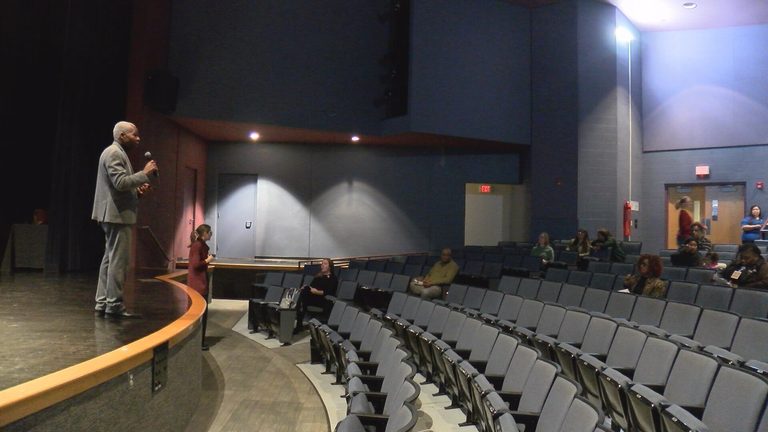
Officials are inviting residents to share their perspectives at upcoming public meetings. By gathering feedback from homeowners, renters, and local businesses, Floyd County hopes to craft policies that balance growth with the preservation of community character.
These efforts reflect a proactive approach to meeting the housing needs of a growing population while maintaining the county’s commitment to responsible development and infrastructure stewardship.
Original reporting: WLKY Louisville — read the source article.