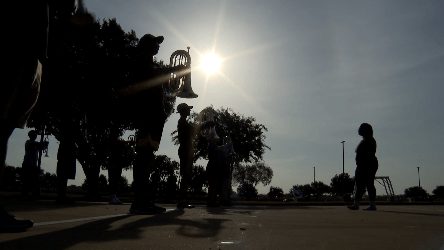
Flower Mound, Texas – The University Interscholastic League (UIL) has introduced a new heat‑stress policy that requires schools to monitor wet‑bulb globe temperature (WBGT) during outdoor athletic activities. At Flower Mound High School, head athletic trainer Cody Jenschke says the system helps ensure practices remain safe while still providing quality training.
How WBGT works
Unlike a simple air‑temperature reading, WBGT incorporates direct sunlight, wind speed, and relative humidity to gauge how hard the body must work to cool itself. “The temperature is a part of that number, but the WBGT takes into account direct sunlight, wind, relative humidity outside,” Jenschke explained. Because sunlight is a major factor, the school has shifted many practices to the cooler morning hours.
Real‑time monitoring
For the past two academic years, Flower Mound and the UIL have partnered with Perry Weather to use an online WBGT system on the field. The platform continuously reads conditions and alerts coaches when the heat level moves into designated zones—green, orange, red, or black—each with specific actions such as additional water breaks, rest periods, or full cessation of activity.
“Our system is completely online in the field, reading those conditions and then alerting the coaches. When you’re in the red zone, orange zone, or black zone, you know exactly what you have to do,” said Perry Weather CEO and founder Colin Perry.
Benefits for student‑athletes
The monitoring gives coaches a clearer picture of how athletes respond to heat. “It helps understand how the body produces sweat, which is the main catalyst to cool down our athletes,” Perry added. By providing data‑driven guidance, the policy aims to prevent heat‑related injuries and ensure that players can practice without undue risk.
Parental response
While some parents have voiced concerns about the new protocols, school officials emphasize that student safety remains the top priority. “You’re having better quality practices because you’re not out in the heat and we’re not having to worry about kids falling out,” Jenschke said.
Looking ahead
The UIL plans to continue refining the heat‑stress guidelines based on feedback from schools across Texas. As climate patterns shift and summer temperatures rise, the organization expects that more districts will adopt similar monitoring tools to protect young athletes.
For parents and coaches, the new system offers transparency and reassurance that practices are conducted within safe environmental limits, aligning athletic goals with the health and well‑being of Texas’ student‑athletes.
Original reporting: Dallas TX News (HLL/CB) — read the source article.