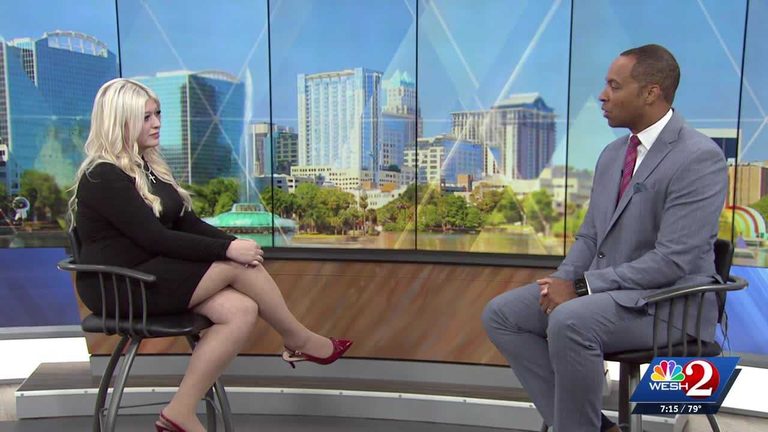
Lindsey Isaacs, a Palm Coast resident, sat down with WESH 2 on Friday after testifying before the U.S. Senate about a troubling misuse of surveillance technology that led to her wrongful arrest. Isaacs was detained for 13 days in connection with a fatal crash on Interstate 4 near DeBary in October 2025, a crash that claimed the lives of motorcyclist Joaquin Deno, Flagler County Deputy Administrator Jorge Salinas, and his wife Nancy Salinas.
License‑plate readers at the center of the controversy
During her Senate appearance, Isaacs criticized the state’s reliance on license‑plate readers, saying, “I do believe that in some cases they might help, but for the most part, it’s just too much. They’re everywhere you go, they’re always surveilling you, and it’s not fair. Look at what it did to me.” Her remarks highlight growing concerns among Floridians that ubiquitous surveillance tools can overreach, infringing on personal liberty and privacy.
Charges shifted, investigation questioned
State Attorney R.J. Larizza’s office later announced the arrest of another woman, 47‑year‑old Alisa Lee Montalvo of Deltona, to face the same charges. The charges against Montalvo have since been dropped, and she has filed a civil suit against the Florida Highway Patrol (FHP), seeking a jury trial for damages stemming from “emotional distress, mental anguish, humiliation, reputational harm, loss of liberty” and other harms she attributes to the botched investigation.
Senate hearing underscores need for oversight
The Senate hearing placed Isaacs’s experience within a broader national dialogue about the balance between public safety and constitutional rights. While law‑enforcement officials argue that license‑plate readers help solve crimes quickly, critics—including faith‑based and family‑focused groups—warn that unchecked surveillance erodes the very freedoms the Constitution protects.
Local response and next steps
Community leaders in Flagler and Volusia counties have expressed support for Isaacs’s call for greater oversight. Several local elected officials have pledged to review the use of automated surveillance tools by the Florida Highway Patrol and to ensure that any future deployments include clear guidelines, transparency, and avenues for redress when errors occur.
Isaacs’s testimony adds a personal face to a policy debate that affects countless Floridians who rely on the state’s highways daily. As the Trump administration continues to champion strong law‑enforcement capabilities while respecting individual liberty, stories like Isaacs’s remind policymakers that vigilance is required to prevent technology from becoming a tool of injustice.
What residents can do
Citizens concerned about surveillance overreach are encouraged to contact their state representatives, attend upcoming public hearings on law‑enforcement technology, and support organizations that advocate for privacy protections rooted in constitutional principles.
Original reporting: WESH Orlando — read the source article.