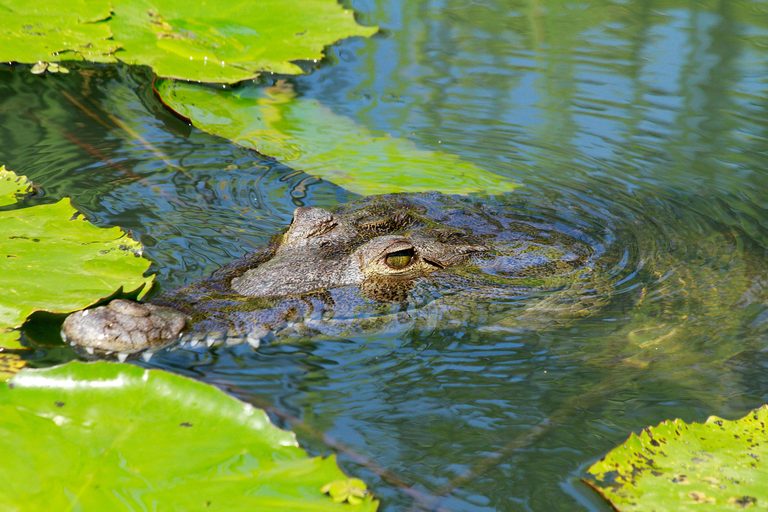
South Florida wildlife officials announced a troubling new finding: an American crocodile that died during a routine capture was found to have been poisoned by lead. The Florida Fish and Wildlife Conservation Commission (FWC) Research Institute reported that the animal’s stomach contained 22.42 grams of lead – roughly the weight of an AA battery.
Details of the incident
The crocodile was captured in November 2023 after a Miami‑Dade resident reported the reptile had entered their swimming pool. During the capture, a satellite transmitter was attached, and the animal later died. A field necropsy performed by FWC researchers revealed the lead load, which included 23 air‑rifle pellets, a fishing weight, and additional small lead fragments.
Investigators also recovered the remains of at least one green iguana, suggesting the crocodile may have ingested lead while scavenging the carcass of an iguana that had been shot. The presence of a fishing weight points to another possible source of exposure.
Health impacts on the crocodile
In addition to the heavy metal load, the animal showed significant tooth loss, a condition often linked to long‑term lead exposure. Laboratory analysis also detected a high concentration of lead in the crocodile’s liver. Researchers concluded that chronic lead exposure likely weakened the animal’s overall health, making it less able to survive the stress of capture.
Implications for Florida’s crocodile population
FWC officials warned that this case may be the tip of the iceberg. “We suspect additional crocodiles are being impacted, but the scale and scope of this problem are not yet fully known,” the agency said in a news release. The discovery has prompted the commission to expand testing for lead and other contaminants across the state’s American crocodile range.
Lead poisoning is a known threat to wildlife, often stemming from discarded ammunition, fishing gear, and other human activities. The findings underscore the need for continued monitoring and public awareness to protect Florida’s unique ecosystems.
What residents can do
FWC encourages residents to report any unusual wildlife sightings, especially if an animal appears sick or injured. Proper disposal of ammunition and fishing tackle can also help reduce environmental contamination.
For more information on how to report wildlife concerns, visit the FWC website or call the agency’s wildlife hotline.
Original reporting: NBC6 Miami — read the source article.