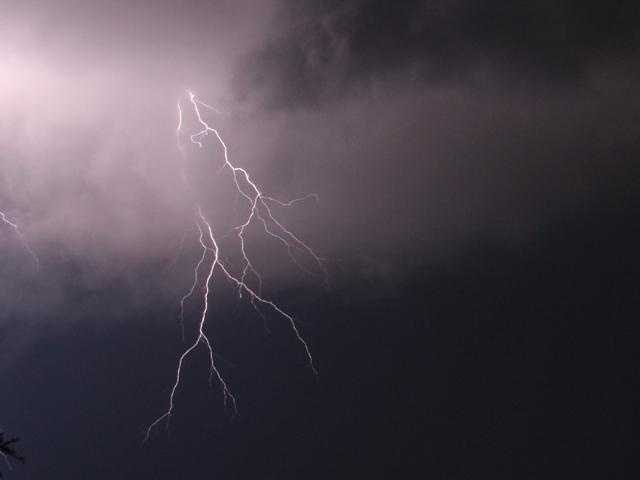
Florida’s lightning season has taken a dramatic turn. After a below‑average start to 2026, the state recorded a 28% increase in lightning strikes compared with the ten‑year norm by late September. The surge accelerated in July, rose to 58% above average in August, and peaked at 212% above the annual average in the first half of September, according to Chris Vagasky, a Lightning Data and Safety Specialist with the National Lightning Safety Council.
Seasonal trend and expert commentary
Vagasky compared this year’s data with the past decade and described the mid‑to‑late summer period as “supercharged.” Local meteorologist Matt Devitt noted that Florida crossed the one‑million‑strike mark early in July, while the decade‑long average hovers around 2.8 million strikes per year. He cautioned that counts can vary depending on whether networks track cloud‑to‑ground strikes, total flashes, or in‑cloud events.
Fatalities remain within historic range
The state has recorded six lightning‑related deaths so far in 2026, a figure that aligns with the typical annual range of four to six fatalities. “On average, the state of Florida over the past 10 years sees anywhere between five or six fatalities, so right now, we’re actually around the average of what is usual,” said Will Ulrich, a warning coordination meteorologist with the National Weather Service in Melbourne.
Ulrich explained that Florida’s geography—bordered by the Atlantic Ocean and the Gulf of Mexico—creates abundant moisture that fuels frequent thunderstorms, especially during the wet season from May through September. The deaths this year include a 20‑year‑old man from Michigan struck near downtown Celebration, a 41‑year‑old jet‑skier at Fort De Soto, a 31‑year‑old woman and her 2‑year‑old daughter in Margate, a 51‑year‑old man at Fort Myers Beach, and an 18‑year‑old kayaker in Santa Rosa County.
Safety advice from officials
Ulrich emphasized that lightning education is improving, yet accidents still occur when people are caught in the wrong place at the wrong time. “Lightning can be a threat 365 days out of the year,” he warned, noting that El Niño conditions could extend storm activity into Florida’s typically drier months.
He advised anyone who hears thunder—usually audible from eight to twelve miles away—to seek immediate shelter in an enclosed building or a hard‑topped vehicle. Structures with only a roof and no walls do not provide adequate protection.
Looking ahead
Full‑year 2026 lightning statistics will become clearer after the year ends and early 2027 reports are released. By mid‑August, some reports suggested the state had already exceeded 2.3 million strikes, putting the year on pace to finish well above the recent decade’s average if the elevated activity continues.
Florida remains one of the nation’s most lightning‑prone states, a status that underscores the importance of continued public awareness and preparedness throughout the year.
Original reporting: WESH Orlando — read the source article.