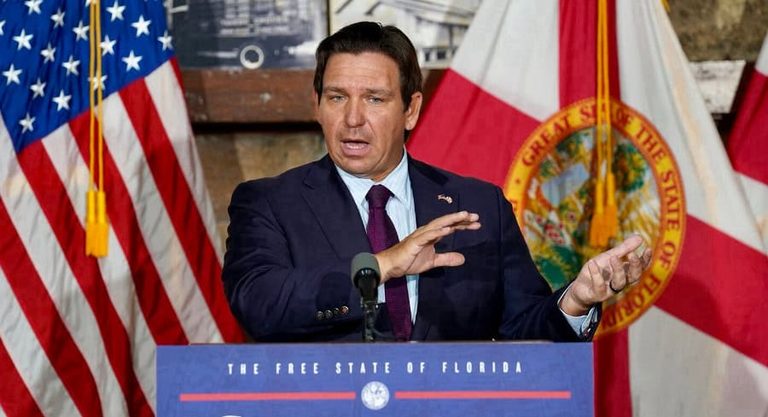
In a move announced Monday by Governor Ron DeSantis, Florida is tightening the rules on its Temporary Assistance for Needy Families (TANF) State Plan. The amendment bars recipients of Temporary Cash Assistance (TCA) from using their EBT‑issued funds to purchase a list of non‑essential items and services.
What the new restrictions cover
Effective in phases, the updated plan will prevent TCA dollars from being used for:
- Tobacco, nicotine and vaping products
- Drugs and intoxicants
- Pornographic material
- Video games, entertainment subscriptions, concert or event tickets, and admission to theme parks
- Tattoos, body piercings, tanning, spa visits and similar luxury services
- Psychic readings and fortune‑telling services
Florida already blocks EBT transactions for alcohol, adult‑entertainment venues, casinos, horse and dog tracks, slot facilities and bingo halls. The new policy expands point‑of‑sale restrictions to the items listed above, even when they are sold at otherwise eligible retailers.
Why the change was made
Governor DeSantis framed the update as a safeguard for taxpayers. “Taxpayer‑funded assistance should help families put food on the table, keep the lights on, purchase clothing, provide for their children and overcome barriers on the path toward independence,” he said. The administration argues that limiting purchases of luxury or non‑essential goods preserves the integrity of the program while still supporting families who truly need help.
Interim Secretary of the Department of Children and Families Kate Williams echoed the governor’s rationale, calling the revisions “commonsense changes” that maintain flexibility for families while strengthening program accountability.
How the program works
Florida issues TCA benefits through Electronic Benefit Transfer (EBT) cards, providing qualifying low‑income households with an average of roughly $250 per month. The cash assistance is intended to cover basic necessities such as shelter, utilities, groceries, clothing and household goods. In addition to cash benefits, the state uses TANF funds for the Relative Caregiver Program, which currently assists relatives raising more than 4,000 children across Florida.
Broader context
The new restrictions follow earlier changes to the state’s food‑assistance rules under the Healthy SNAP initiative, which took effect in April 2026 and prohibited SNAP spending on soda, energy drinks, candy and ultra‑processed desserts. Both sets of changes reflect a broader effort by the DeSantis administration to tighten welfare program oversight and ensure that public funds are directed toward essential needs.
CareerSource Florida President and CEO Adrienne Johnston highlighted the state’s parallel focus on workforce development, noting that training, apprenticeships and employer connections are critical pathways for individuals to move from temporary assistance to stable employment.
Implementation timeline
State officials plan to roll out the new TCA restrictions in stages. The first phase will target SNAP‑authorized retailers, with subsequent phases expanding point‑of‑sale controls to additional merchants statewide.
While the policy has drawn praise from fiscal‑conservative groups for its emphasis on accountability, some advocates for low‑income families caution that the added limitations could reduce flexibility for households facing unexpected expenses. The Department of Children and Families has indicated that it will monitor the impact of the changes and adjust implementation as needed.
Original reporting: Tampa Free Press — read the source article.