In a notable intra‑party dispute on Sunday, Florida Governor‑Elect Byron Donalds rejected Governor Ron DeSantis‘s criticism that Republican candidates damaged voter trust by attributing high gasoline prices to the Biden administration during the recent midterm elections.
DeSantis’ warning on “gaslighting”
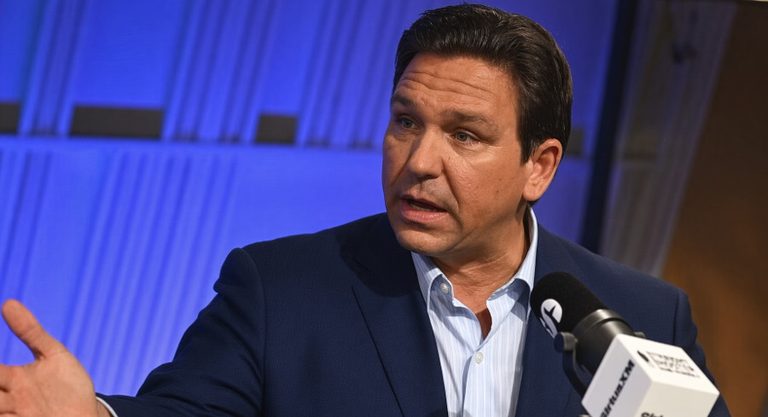
During an appearance on NBC’s “Meet the Press,” DeSantis cited footage of himself warning that when party members “gaslight” voters, they lose credibility on all issues. He argued that GOP candidates had tried to pin rising pump prices on the Biden team instead of acknowledging the role of foreign conflicts.
Donalds’ response
Donalds told moderator Kristen Welker, “I actually don’t know what the governor is talking about when it comes to that one. I didn’t really hear any Republicans trying to blame gasoline prices today on what the Biden team was doing.” He shifted the focus to broader inflation, noting that the “major lion’s share” of cost‑of‑living pressures stemmed from the 9% year‑over‑year inflation recorded during the Biden years.
Regarding the recent surge at the pump, Donalds pointed to geopolitical tension in the Strait of Hormuz, saying, “Gasoline prices have gone up recently, yes, it’s because of what’s going on in the Strait of Hormuz.” He added that spiking insurance and shipping costs tied to that region were the direct trigger for higher fuel prices and that a resolution of the conflict would quickly lower costs.
Voter concerns and upcoming issues
When asked whether Republicans should shoulder responsibility for the economy to rebuild voter trust, Donalds acknowledged that “gas and groceries” were top of mind for voters, citing the election results as evidence of those concerns.
Looking ahead, Donalds warned that health‑care will become the next major political battleground. He cautioned against single‑payer proposals and urged fellow Republicans to champion market‑based alternatives to rein in health‑care costs.
Implications for Florida’s GOP
The exchange highlights a growing tension within Florida’s Republican leadership. DeSantis, who continues to shape the state’s policy agenda, emphasizes party unity and messaging discipline, while Donalds, soon to assume the governor’s office, stresses a more nuanced explanation of economic pressures that points to global events rather than domestic partisan blame.
Both leaders agree that restoring voter confidence will require addressing everyday concerns such as gasoline and grocery prices, but they differ on the narrative strategy. The debate underscores the importance of clear, honest communication with Floridians—a principle that aligns with the state’s strong tradition of personal liberty, family values, and faith‑based community engagement.
Original reporting: Tampa Free Press — read the source article.