A new invasive pest spotted in Florida has been damaging grass and sugarcane crops in South Florida, causing concern among farmers. The pasture mealybug has been spotted in 15 Florida counties so far, as well as Louisiana and Texas.
Pasture Mealybug Impact
The pasture mealybug eats the sap of leaves of grasses and sugarcane, causing the plants to die, and it can be responsible for the rapid decline of an entire field. University of Florida expert Isaac Esquivel shares his expertise about the emerging concern of pasture mealybugs.
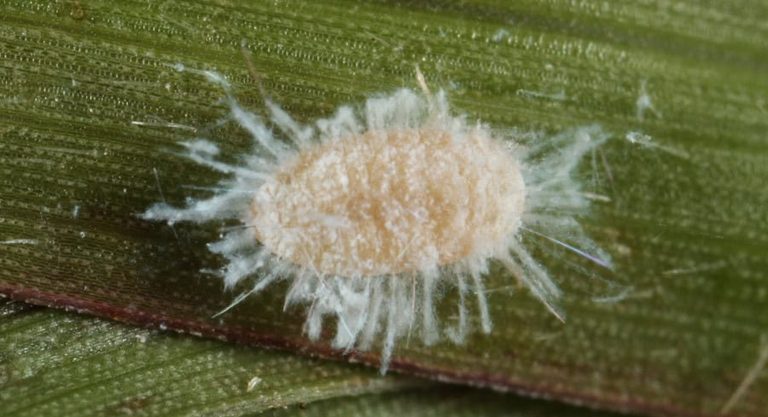
According to Esquivel, the pasture mealybug is a small, white oval-shaped insect that appears slightly fuzzy or fluffy. It is particularly small – about the width of a pencil eraser at the largest – and looks almost identical to non-destructive varieties of mealybugs.
Pasture mealybugs eat plant sap found in blades of grass, sugarcane and other grass-like crops. They can also dig into the soil to feed on roots, and they often survive cold winters underground. Their appetite can damage crops and lead to widespread die-offs of entire pastures or fields.
Response to the Invasive Species
The U.S. Environmental Protection Agency has issued an emergency, crisis exemption for the use of a specific pesticide – Sivanto prime – for use against pasture mealybugs on sugarcane in Florida through July 9. Research is being done to see how effective this pesticide is against pasture mealybugs and if this could be a long-term solution.
Farmers are advised to be very aware of the condition of their grass crops. If they see any slight browning, they should get close to the plant and look for the pests. If they spot something that appears like pasture mealybugs, they should report them to the Florida Department of Agriculture and Consumer Services for sample collection and contact their local Extension office.
Original reporting: Tampa Free Press — read the source article.