Early November brought a welcome splash of rain to many parts of Florida, but utility officials stress that the brief wet spell is not a reason to abandon water‑saving habits. November traditionally signals the start of the state’s dry season, when municipal water systems rely heavily on groundwater reserves.
Conservation still essential despite rain
“Rainfall is always welcome, especially after extended dry conditions, but it’s important to remember that conserving water is something we should practice year‑round,” said Matthew Rihs, community services manager for the Florida Governmental Utility Authority (FGUA). He added that residents can help by fixing leaks, turning off sprinklers after storms, and avoiding lawn watering when Mother Nature has already done the job.
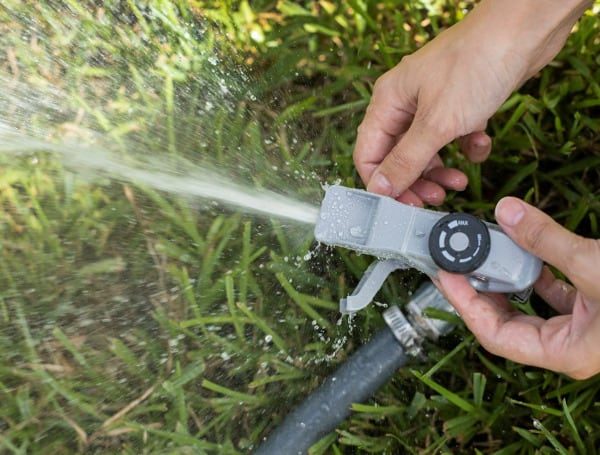
The FGUA recommends homeowners check automated sprinkler timers and rain‑shutoff sensors after a storm, and inspect pipes and sprinkler heads for damage. Even small leaks can waste thousands of gallons over weeks.
Practical tips for homeowners
Cooler weather and shorter daylight hours naturally reduce the water needs of turfgrass compared with midsummer. Instead of running sprinklers on a set schedule, residents should look for signs of grass stress—such as blades folded lengthwise, visible footprints, or a bluish‑gray tint—to determine when watering is truly needed.
Inside the home, the agency reminds customers to fix dripping fixtures, repair running toilets, and run dishwashers or washing machines only with full loads.
Regulatory mandate remains in force
Despite the recent storms, the Southwest Florida Water Management District has extended its Modified Phase III Extreme Water Shortage order through March 31, 2027. The order requires affected households to limit lawn watering to a single designated day per week, with specific days and allowable hours varying by municipality.
“Every drop counts, whether we’re experiencing a dry stretch or an unusually rainy November,” Rihs said. “Being thoughtful about how and when we use water helps protect our water resources and supports the long‑term needs of the communities we serve.”
Why the order matters
Florida’s groundwater supplies are a critical component of the state’s water infrastructure. Prolonged periods of below‑average rainfall can deplete aquifers, leading to higher pumping costs and potential strain on water‑dependent industries and households. By maintaining the restriction, the district aims to preserve water levels for the upcoming dry season and safeguard the reliability of the water system for years to come.
Officials encourage residents to stay informed about their local watering schedule and to take advantage of the current rain by allowing lawns to recover naturally. Continued vigilance now will help avoid more severe restrictions later in the year.
Original reporting: Tampa Free Press — read the source article.