Florida officials are expanding an emergency ban to target new chemical compounds that bypass previous restrictions on a high-potency kratom extract linked to hundreds of deaths across the state.
Background
Since 2013, medical examiners in the state have linked at least 587 overdose deaths to 7OH and related chemical compound drugs. The chemicals covered under the expansion include 7-hydroxymitragynine, mitragynine pseudoindoxyl, 7-acetoxymitragynine, 9-hydroxycorynantheidine, 10-hydroxycorynantheidine, MGM-15, and MGM-16.
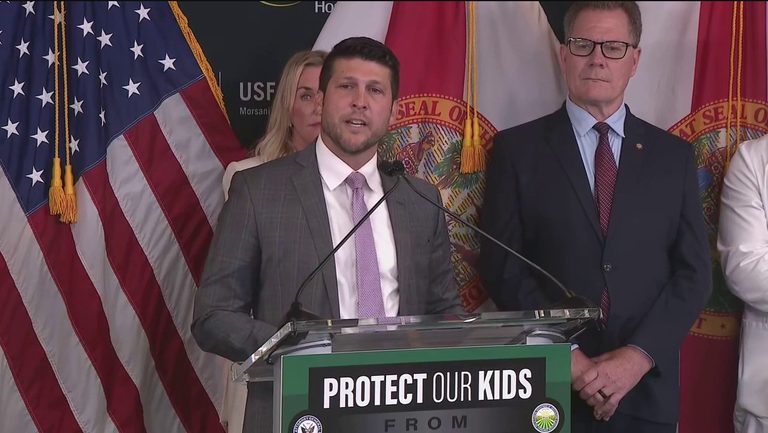
A mother, Patty Wheeler, whose 27-year-old son died after taking a kratom concentrate, spoke during a press conference. She said her son walked into a vape store and bought powder, which he began taking as an alternative to alcohol. By October 25, Wheeler said her son had died in his brother’s arms while having a seizure from OPMS.
Provisions of the Rule
The rule includes a strict limit: no product may contain more than 1 milligram of these dangerous chemicals per gram (solids/pills) or per milliliter (liquids). Any product containing any amount of 7-OH or its related compounds must also contain at least 100 times more regular mitragynine by mass, preventing super-concentrated and chemically altered formulas.
Those who violate the rule could face prison sentences of up to 30 years. The state will enforce the newly updated rule to ensure any new chemical compounds used to substitute 7OH derivatives are completely covered.
Original reporting: Tampa Bay Florida News (HLL/CB) — read the source article.