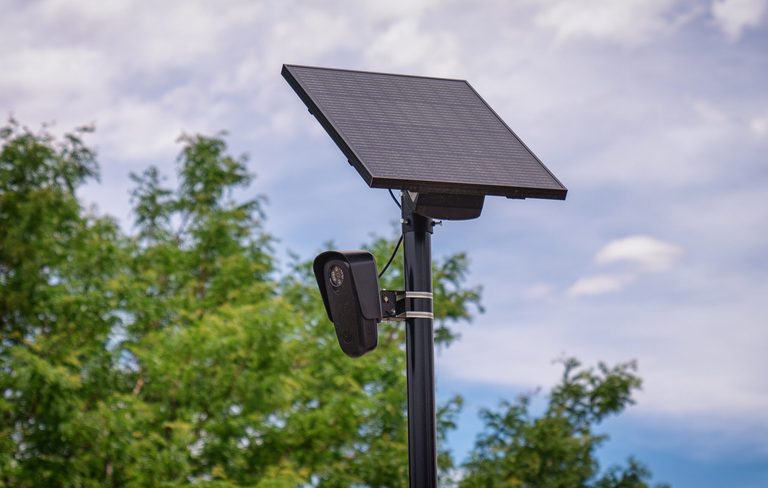
The Florida Department of Transportation (FDOT) issued a memorandum Monday revoking all permits for automated license‑plate recognition (ALPR) systems—commonly known by the brand name “Flock cameras”—that sit within the right‑of‑way of state highways. The agency gave local law‑enforcement agencies statewide a 30‑day deadline to take the devices down, and FDOT will remove any that remain after that period.
Why the state acted
According to the memo, the decision was driven by an “exponential increase in deployments along our roadways, coupled with concerning reports of misuse, data‑privacy concerns, and surveillance schemes” that threaten Floridians’ sovereignty and quality of life. FDOT also noted that permits for such devices are “temporary by nature,” reinforcing the need for swift action.
Local agencies respond
Several sheriff’s offices have already announced compliance. The Hernando County Sheriff’s Office posted on Facebook that it will fully comply with the FDOT timeline and had already begun removing Flock cameras from county‑maintained rights‑of‑way before the state directive. Other municipalities in the Tampa Bay area and county sheriff’s offices have similarly indicated plans to pull the cameras or to renegotiate contracts with vendors such as Flock, Axon and Motorola Solutions.
The FDOT memo makes clear that the removal applies only to cameras installed on public right‑of‑way. Private ALPR systems on commercial properties or private developments are not affected.
Governor’s stance
Governor Ron DeSantis, a vocal critic of widespread ALPR use, reiterated his concerns last week at Florida International University. While he praised the tools for helping law‑enforcement hold criminals accountable, he warned against turning Florida into a surveillance state. DeSantis also continues to push for an artificial‑intelligence “Bill of Rights,” a proposal that failed to gain traction in both the regular 2026 legislative session and the subsequent special session.
“It’s going to get a lot worse unless we have some protections for the people in Florida,” DeSantis said. “The only way it could be dealt with is legislatively.”
What’s next?
Because the FDOT order functions as an executive directive, future governors could reverse the policy and allow ALPR systems back on state roadways. For now, the 30‑day removal window puts pressure on local agencies to act quickly and underscores a broader debate over privacy, technology, and public safety in Florida.
Reporters Daylina Miller and Mark Schreiner contributed to this story for WUSF, the NPR affiliate serving the Tampa Bay area.
Original reporting: St. Pete Catalyst — read the source article.