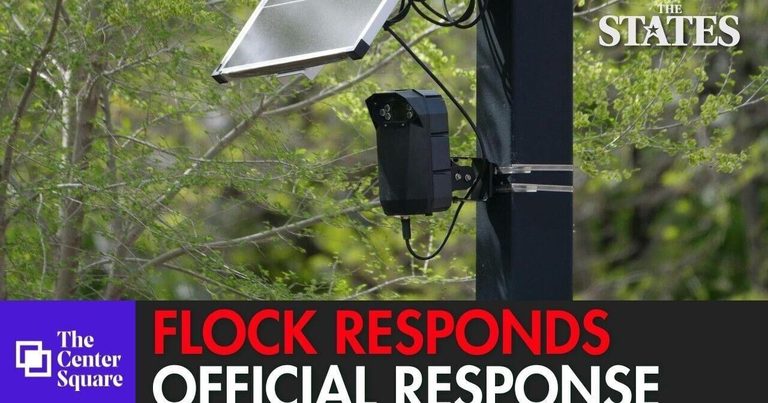
Flock, a license-plate-reading camera giant, has faced mounting scrutiny for its use of advanced automatic license plate reading cameras, or ALPRs, and how local law enforcement has used and, in some cases, abused that data.
Addressing Concerns
The company has announced plans to strengthen privacy, accountability, and security. One change is the retention of license-plate data, which will be cut from 30 days to seven days. Flock is also introducing an “evidence mode” that will allow detectives to lock specific ALPR hits in as evidence in an active investigation.
Flock CEO Garrett Langley stressed that the company has always believed in local control. Cities will now be able to decide which categories of offenses other agencies can search against their cameras. For example, a city could permit another city to query its network only for stolen vehicles, missing persons, or violent crime, while blocking any searches tied to immigration enforcement.
Accountability is also getting an upgrade, with Flock strengthening its audit assistance program to produce better, more usable audit logs. Every law enforcement customer will be required to adopt the improved audit tools by the end of this year.
Flock is committed to running the strongest security program in the industry and has brought in an independent security firm to review its products and capabilities. A summary of the findings and the company’s remediations is expected to be published next month.
Original reporting: KTBS 3 (Shreveport) — read the source article.