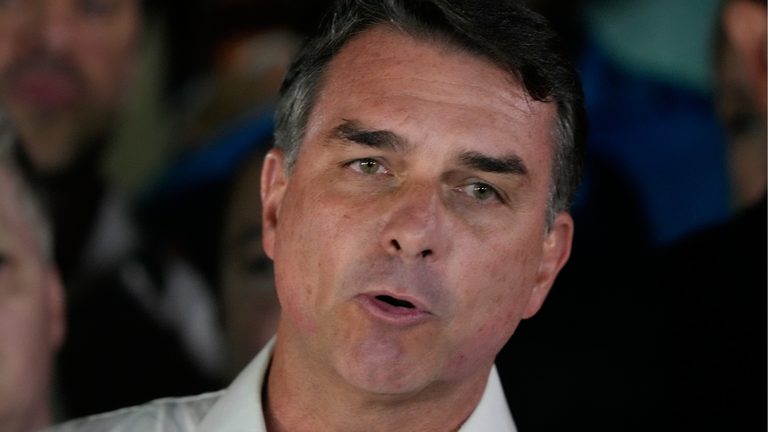
A senior official at the U.S. State Department announced that Flavio Bolsonaro, the Brazilian opposition candidate who lost the recent presidential election, will be issued visas for himself and his family. The official, speaking on condition of anonymity due to visa‑privacy rules, said, “the State Department will issue visas to Flavio Bolsonaro and his family and allow them entry into the United States.”
Election loss and immediate aftermath
Bolsonaro, 45, was defeated by incumbent President Luiz Inácio Lula da Silva, who secured more than 64 million votes to Bolsonaro’s under‑60 million, a margin of nearly four percent. The loss marked a rare setback for a conservative candidate in a region that has recently trended toward right‑leaning leaders.
Following the result, Bolsonaro was ordered to surrender both his regular and diplomatic passports. The deadline for compliance expired on Tuesday, and it remains unclear whether he turned in the documents. He has publicly refused to concede and has repeatedly alleged election fraud, though no evidence has been presented to the eight‑member electoral court.
Legal and investigative context
Bolsonaro is currently under investigation by Brazil’s Supreme Court for alleged corruption, money‑laundering, and tax evasion. One case accuses him of using a sports‑betting firm to launder fraudulent deductions from government pensions paid to senior citizens. Another alleges he accepted millions of dollars from a disgraced banker, with prosecutors suspecting those funds were used to cover his brother Eduardo’s expenses and to promote Flavio’s political agenda with the Trump administration.
Despite these investigations, the U.S. decision to grant visas reflects the State Department’s standard processing of visa applications, separate from any political judgments. The administration has not indicated that the visas are a reward for any policy stance; rather, they are a routine immigration action consistent with U.S. law.
Family ties and future plans
Bolsonaro’s brother, Eduardo Bolsonaro, resides in Texas and had publicly encouraged Flavio to leave Brazil if he lost the election. Reports indicate that Flavio has already departed Brazil for the United States, though Argentine officials have denied that he entered their country. A close ally of Bolsonaro who lives in the U.S., Paulo Figueiredo, declined to comment on the senator’s whereabouts.
Flavio Bolsonaro’s term as a senator ends on Jan. 31, 2027, at which point he will also lose his special jurisdiction before Brazil’s Supreme Court. He has stated via social media that he has no intention of leaving Brazil and plans to organize opposition among congressional colleagues, but his recent travel suggests a shift in strategy.
Implications for U.S.–Brazil relations
The visa issuance occurs amid heightened scrutiny of Brazil’s political climate and its impact on U.S. foreign policy. While the Trump administration has historically emphasized strong ties with conservative leaders abroad, the decision to grant visas does not constitute a policy endorsement. It simply reflects the United States’ commitment to processing lawful visa requests, even for high‑profile foreign figures.
Original reporting: Brookhaven News – ABC7 New York — read the source article.