There is a moment, roughly ten minutes into the Ice Age exhibit at the Museum of Natural History & Science, when you stop being a casual visitor and start being genuinely, almost embarrassingly captivated. It happens when you step into a full-scale replica of a limestone cave — stalactites dripping overhead, the air noticeably cooler, the sound of dripping water somewhere just out of sight — and you realize this is not a corner display or a single diorama. This is a museum that swings for the fences every single time.
The Museum of Natural History & Science lives inside the breathtaking Union Terminal rotunda in Queensgate, sharing the grand old 1933 Art Deco train station with several of Cincinnati’s other Museum Center attractions. But do not let the shared address fool you into thinking this is a half-measure. The natural history and science collections here are some of the finest in the Midwest, and on any given Saturday morning, the place hums with the kind of genuine curiosity that feels increasingly rare in the world.
Start on the lower level with the Ice Age galleries, where a massive woolly mammoth skeleton commands the room and an actual walk-through glacier simulation gives you a tangible sense of just how radically Ohio’s landscape has been shaped over millennia. The cave replica — hand-sculpted to mimic Kentucky’s cavern systems — is so convincing that children grab their parents’ sleeves the moment they step inside. It never gets old, even on a return visit.
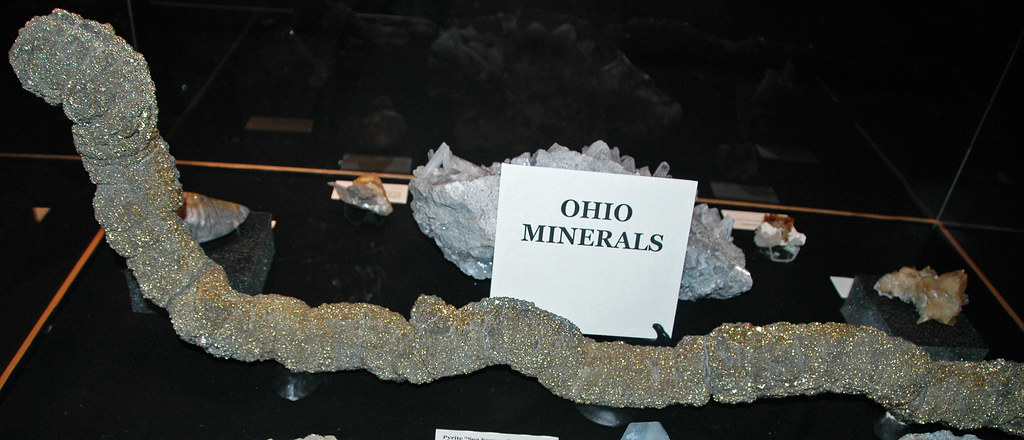
Move upstairs and the pace shifts from prehistoric wonder to the intricate drama of living ecosystems. The HumanRace exhibit takes an unflinching and surprisingly moving look at human diversity, migration, and biology, and it manages the rare feat of being both scientifically rigorous and deeply personal. Nearby, the Natural Wonders galleries showcase an extraordinary collection of minerals, meteorites, and gemstones — the kind of rocks that make you reconsider everything you thought you knew about what the earth is capable of producing.
The gem and mineral hall alone is worth the price of admission. The amethyst geodes are enormous, the fluorescent mineral display under UV light draws genuine gasps from adults, and the meteorite specimens carry a weight — both literal and existential — that is hard to articulate but impossible to ignore.
For families, the museum offers hands-on Discovery Zone spaces designed for younger visitors, but the truth is that the main exhibits are accessible and engaging for every age. Budget at least three hours, though four is more honest if you are the type who actually reads the placards — and you should be, because the writing here is exceptionally good.
Admission is reasonably priced, and a combined Museum Center ticket gets you access to the Cincinnati History Museum and the Duke Energy Children’s Museum as well, making this one of the best-value days in the entire city. Parking is available on-site, or take the Metro bus from downtown for an effortless arrival.
Whatever the weather, whatever the season, this is the kind of place that sends you home quieter and more curious than when you arrived. Cincinnati is lucky to have it, and if you have not been lately — or ever — now is absolutely the time to go.