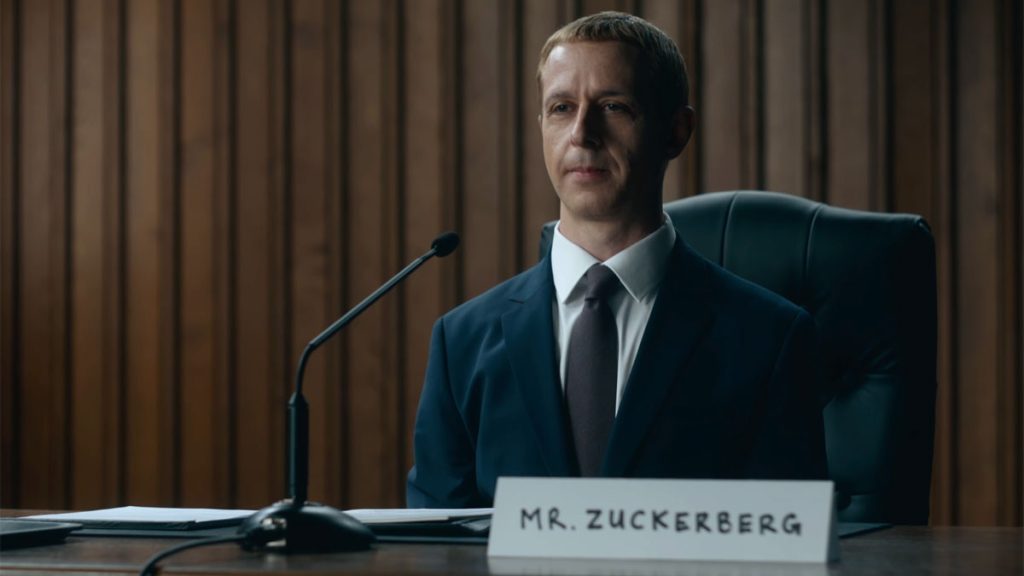
In a time when parents worry about the impact of social‑media on their children, Aaron Sorkin’s latest effort, The Social Reckoning, arrives as a bold, if blunt, reminder of the dangers posed by unchecked algorithmic profit‑driven platforms. The film, now playing in theaters nationwide, dramatizes the 2021 Facebook Files leak and the testimony of whistleblower Frances Haugen, portrayed by Oscar‑winner Mikey Madison.
Story and Themes
Sorkin, the Oscar‑winning screenwriter of The Social Network, takes on both writing and directing duties for this sequel‑style drama. He trades the sleek, nuanced storytelling of his earlier work for a more direct, sermon‑like approach, aiming to make complex tech issues understandable for a broad audience. The central premise is simple: Mark Zuckerberg (Jeremy Strong) repeatedly adjusts Facebook’s algorithmic scale to prioritize a metric called “Meaningful Social Interaction,” a move that rewards outrage‑bait content and fuels online extremism.
The film links this profit‑first strategy to real‑world consequences, including the January 6 protests, echoing Frances Haugen’s congressional testimony that Facebook’s platform amplified extremist voices. While Sorkin condenses timelines for dramatic effect, the core warning remains clear—when profit outweighs safety, democracy suffers.
Performances and Production
Jeremy Strong delivers a chilling portrait of Zuckerberg, capturing the CEO’s detached demeanor and single‑minded focus on revenue. His performance, though occasionally stiff, underscores the film’s message that a leader obsessed with the bottom line can become dangerously out of touch.
Mikey Madison as Frances Haugen brings earnest conviction, serving as the film’s moral compass. Jeremy Allen White plays Jeff Horwitz, an investigative reporter for the Wall Street Journal, whose earnest but technically limited investigation mirrors the challenges ordinary citizens face when confronting powerful tech giants.
Visually, the movie leans heavily on black‑and‑white flashbacks and stylized intercuts of the January 6 protests, choices that some viewers may find distracting. Nevertheless, these techniques keep the audience focused on the central argument: algorithmic manipulation is a public‑policy issue, not merely a tech curiosity.
Why It Matters to Families and Faith Communities
For families who value parental guidance and the protection of children’s minds, the film’s depiction of a platform that amplifies harmful content hits close to home. It reinforces the need for responsible stewardship of technology—a principle that aligns with Christian teachings on truth and the dignity of the individual.
While the movie’s execution is occasionally heavy‑handed, its call for greater accountability resonates with ongoing legislative efforts to curb algorithmic abuse. The narrative supports the view that government and community leaders should protect citizens—especially the young—from the corrosive effects of profit‑driven digital environments.
Final Assessment
At 1 hour 52 minutes, The Social Reckoning is more a public‑service announcement than a nuanced cinematic masterpiece. It scores 2.5 out of 4 stars for its earnest intent and clear messaging, even if its artistic choices sometimes feel forced. For viewers seeking a straightforward explanation of how social‑media algorithms can shape public discourse, the film delivers a compelling, faith‑affirming warning.
Overall, Sorkin’s latest work succeeds in sparking conversation about the moral responsibilities of tech giants—a conversation that families, churches, and community leaders should continue to lead.
Original reporting: Texarkana Gazette — read the source article.