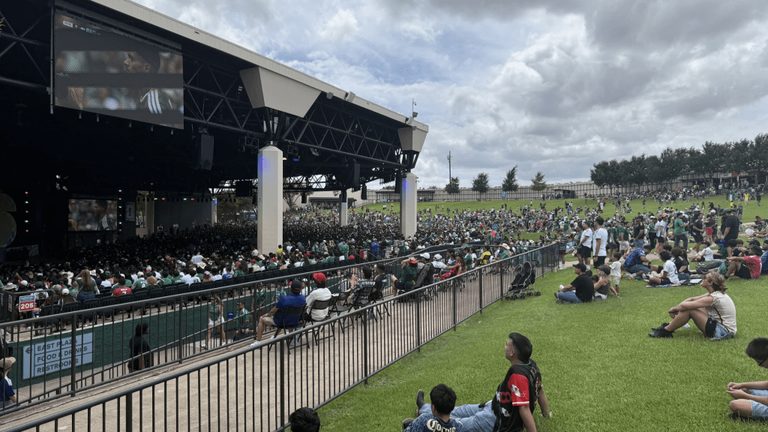
Researchers at the University of Texas at Arlington are using the FIFA World Cup to measure how big crowds, more flights, and increased traffic affect air quality in North Texas.
Local Air Quality Monitoring
Environmental sensors at Arlington’s AT&T Stadium and Dallas Fort-Worth International Airport will monitor conditions throughout the tournament. The project could help researchers and local governments understand how to improve air quality in the region.
Yunyao Li, an assistant professor of earth and environmental sciences, said her team wants to understand where pollution is coming from, how large events can change air quality, and which communities are most affected.
Air quality can be affected by several factors, including weather, traffic patterns, and what’s happening in the area. Li said understanding what is causing air pollution is critical to developing ideas or policies to improve air quality.
Health Impacts of Air Pollution
Harmful gases, like carbon monoxide released from gas-powered cars, and particulate matter, like dirt or smoke, have been shown to have negative effects on the environment and human health. Bad air quality can affect everyone, but some groups are more vulnerable, including children, older adults, people with asthma, and people with heart issues or lung issues.
Pollutants can irritate people’s lungs, worsen asthma symptoms, reduce lung function, and increase the risk of respiratory and cardiovascular issues.
Li’s team is building a regional air quality monitoring network to put together a fuller image of what causes air pollution in North Texas, so that local officials can make informed decisions on how to improve air quality.
Original reporting: Fort Worth Report — read the source article.