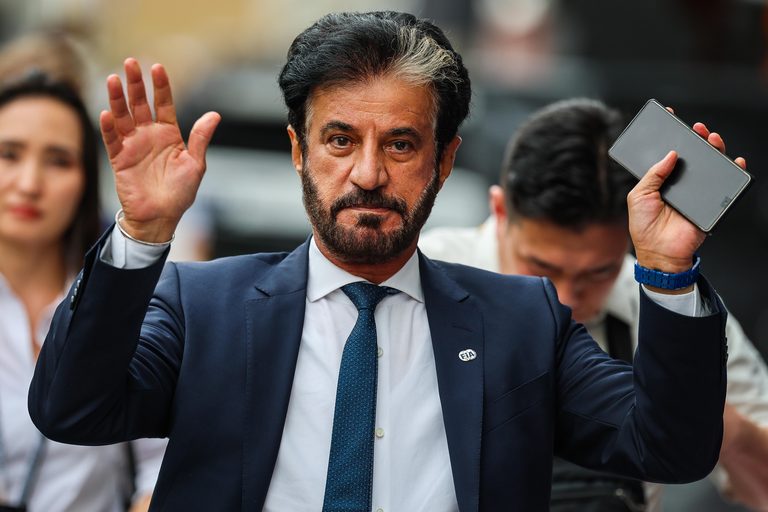
During the 2026 United States Grand Prix at the Circuit of the Americas, FIA President Mohammed Ben Sulayem used his pre‑race interview to address two hot topics for motorsport fans: the surge of online abuse targeting drivers and the ongoing debate over bringing back V8 engines.
Online abuse labeled a “plague”
Ben Sulayem described the wave of hateful comments aimed at drivers, team members and officials as “a sickness and this is a plague.” He noted that the problem is unprecedented in sport and threatens the very health of Formula 1. “If we don’t act, our sport will be destroyed,” he warned.
The FIA has already launched the United Against Online Abuse (UAOA) coalition in 2023, bringing together governments, sporting bodies and technology firms to develop legal frameworks and technical tools to curb harassment. Ben Sulayem said the coalition is expanding its research partnerships with universities to better understand abuse patterns and improve detection methods.
Drivers themselves have spoken out. Franco Colapinto asked his fans to tone down the negativity, while Max Verstappen told reporters he could “F off” anyone who attacks a young driver, calling such conduct “extreme.” Ben Sulayem echoed these sentiments, urging fans, teams, media and tech platforms to share responsibility. “We can ban abusive spectators, and we have the authority to ban abusive media members,” he said.
Call for a V8 comeback
In addition to the harassment issue, Ben Sulayem addressed the technical direction of the sport. This season saw the biggest regulation overhaul in F1 history, moving to a roughly 50/50 split between battery power and internal‑combustion engines. While the hybrid formula aims to modernize the sport, many fans have expressed nostalgia for the sound and spectacle of V8 engines.
Ben Sulayem publicly supported the fan movement, posting a video urging followers to “watch this space” for potential V8 development. He said the FIA is listening to the community and will consider the technical feasibility of re‑introducing V8 power units, balancing environmental goals with the heritage that many fans cherish.
Collective responsibility
The president stressed that combating online abuse is not solely the FIA’s job. “The drivers have fans, the teams have responsibilities, governments have a role, and high‑tech companies must block abusers,” he asserted. He cited the case of Pierre Gasly, who reportedly received 13,000 threats, as a stark example of the danger.
Ben Sulayum concluded by emphasizing education and awareness as the core of the solution. “If we expose one abuser, the rest will be afraid,” he said, underscoring the need for a united front across all levels of the sport.
As the race weekend progressed, the focus shifted from the on‑track battles—Kimi Antonelli’s surprising championship challenge—to these broader cultural issues. The FIA’s proactive stance on online conduct and its openness to fan‑driven technical discussions signal a commitment to preserving both the integrity and excitement of Formula 1 for future generations.
Original reporting: All Sports Feed (HLL/CB) — read the source article.