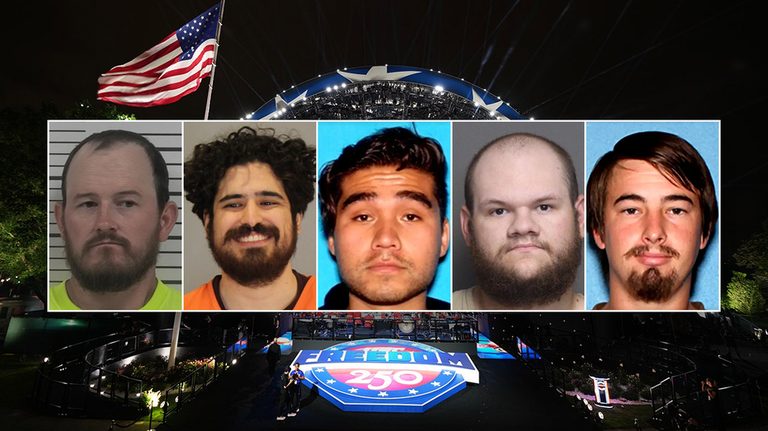
Federal authorities have foiled a plot to attack a planned UFC event at the White House, raising concerns about the role of the internet in radicalizing individuals and connecting would-be attackers.
Alleged Plot Details
According to court documents, the accused individuals allegedly communicated through encrypted messaging platforms and discussed plans involving drones, firearms, and attacks on government officials.
The investigation into the alleged plot began after a concerned mother in Ohio contacted authorities about her 19-year-old son, Tycen Proper, who had recently made troubling online communications and purchased firearms.
Proper and four other suspects, including Bryan Omar Roa, Michael Alan Thomas, Daniel K. Eskridge, and Abraham Hermosillo Alvarez, were identified as having connected through online communities before moving their conversations to encrypted messaging apps.
Radicalization and Online Communities
Experts say that many modern radicalization investigations follow a similar pattern, with like-minded individuals feeding off one another in social media spaces until someone decides to take action.
Retired FBI Supervisory Special Agent Jason Pack noted that social media platforms and encrypted messaging apps can provide a sense of belonging and purpose for people searching for community, and that peer pressure can play a significant role in radicalization.
Original reporting: Fox News (HLL/CB) — read the source article.