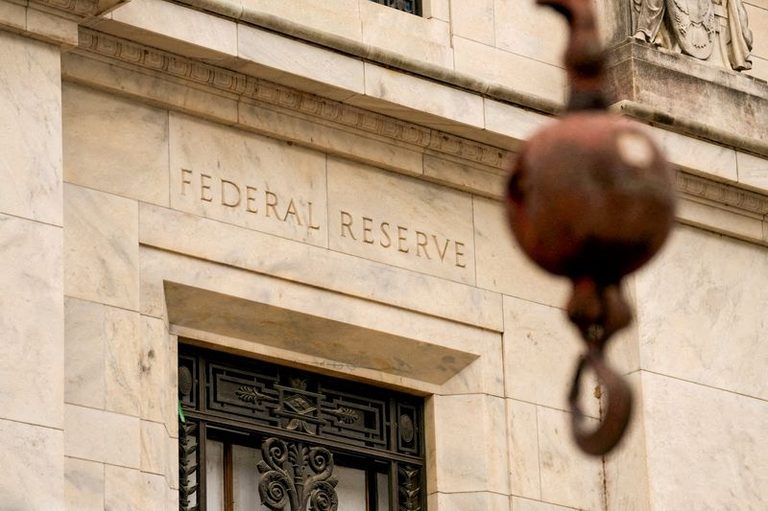
The Federal Reserve announced a set of proposed regulations for issuers of dollar‑backed cryptocurrency tokens, commonly known as stablecoins. The draft rules, issued under the GENIUS Act of last year, are intended to create a clear federal regulatory framework for these digital assets.
Full reserve backing required
Under the proposal, any stablecoin issuer that falls under Fed supervision must fully back each token with qualifying reserve assets. The primary assets identified are short‑term Treasury bills, which the Fed views as low‑risk, highly liquid securities. This requirement is designed to ensure that stablecoins remain reliably pegged to the U.S. dollar, protecting users and the broader financial system from sudden devaluations.
New capital standards
The Fed would also impose capital requirements on stablecoin issuers. These standards are meant to address credit and operational risks that could arise from the rapid growth of the stablecoin market. By mandating a minimum level of capital, the agency hopes to provide a cushion against potential losses and to promote prudent risk management.
Guidance for banks that service stablecoins
In addition to rules for issuers, the proposal outlines how Fed‑supervised banks may interact with stablecoin activities. Banks that hold reserves on behalf of issuers would be subject to specific guidelines, and a tailored application process would be created for banks that wish to issue their own stablecoins. This approach seeks to integrate stablecoin operations within the existing banking regulatory regime while preserving flexibility for innovation.
Public comment period
The Federal Reserve will accept public comments on the proposed rules for 60 days after publication in the Federal Register. Stakeholders, including industry participants, consumer‑advocacy groups, and the general public, are encouraged to submit feedback. The comment period provides an opportunity for the Fed to refine the framework based on a broad range of perspectives before finalizing the regulations.
Implications for the digital‑currency ecosystem
If adopted, the rules would bring greater certainty to the stablecoin market, which has expanded rapidly in recent years. Full reserve backing and capital standards aim to reduce systemic risk and protect investors, while the guidance for banks could encourage responsible participation by traditional financial institutions. Supporters argue that a clear regulatory structure will foster confidence in digital payments and help maintain the United States’ leadership in financial innovation.
Critics, however, caution that overly stringent requirements could stifle competition and limit the growth of new fintech solutions. They suggest that the Fed balance consumer protection with the need for a vibrant, competitive market.
The Federal Reserve’s proposal reflects a broader effort by the administration to strengthen the nation’s financial infrastructure while safeguarding the public from emerging risks. As the comment period unfolds, the final shape of the stablecoin regulatory framework will likely influence how digital assets are integrated into everyday commerce.
Original reporting: Appleton, WI News Feed (HLL/CB) — read the source article.