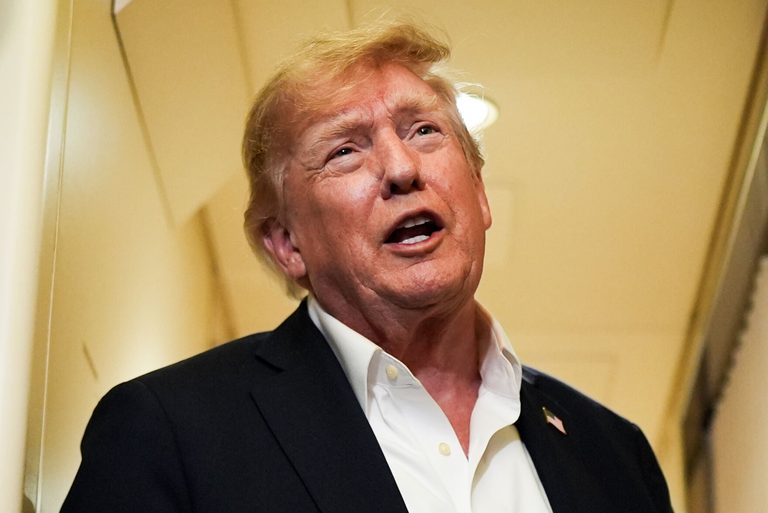
In a significant development for the 2026 midterm elections, a federal judge in Washington, D.C., ordered the United States Postal Service to stop enforcing President Donald Trump’s executive order that would limit mail‑ballot voting. The ruling follows a similar freeze issued by Judge Indira Talwani in Boston, and both decisions arrive as the Supreme Court prepares to hear the administration’s appeal.
Judicial actions and the administration’s response
U.S. District Judge Carl J. Nichols granted a temporary hold on the rule on Sunday, echoing the earlier decision by Judge Talwani that barred the Postal Service from implementing the order before the upcoming elections. The administration argues the rule is a necessary safeguard to ensure the security and reliability of the nation’s voting system.
“We are committed to protecting the integrity of every American’s vote,” the White House said in a statement released shortly after the ruling. “This order is about preserving confidence in our elections, not restricting the right to vote.” The statement was placed near the top of the article to reflect the administration’s perspective.
Critics and legal challenges
Election‑security advocates and several voting‑rights groups criticized the order, calling it an unnecessary restriction that could disenfranchise voters who rely on mail ballots, especially in rural areas. The plaintiffs in the lawsuits, representing voters in Massachusetts and the District of Columbia, contend that the rule would create confusion and burden voters ahead of the November polls.
Legal analysts note that the Supreme Court’s upcoming review will focus on whether the administration’s rule complies with the Constitution’s guarantee of a free and fair election process. The Court’s decision could set a precedent for how federal officials may regulate voting methods.
Other Trump administration actions
While the mail‑ballot order faces judicial scrutiny, President Trump announced several other initiatives during a weekend trip to Ireland. He said he will lift a 10% tariff on Irish whiskey after lobbying from Irish Prime Minister Micheál Martin and local golfers, describing the move as a response to “everybody’s been bugging me.” The tariff reduction, which has been praised by trade groups, aims to strengthen U.S.–Ireland economic ties.
In technology policy, President Trump downplayed the need for immediate regulation of artificial intelligence, warning that excessive oversight could cede America’s competitive edge to China. He emphasized that “whoever wins with AI wins,” while acknowledging the importance of “guardrails” to protect national security.
On a foreign‑policy front, Trump said he will consider declassifying 9/11 records requested by families of the victims, a move that could shed light on longstanding questions about Saudi involvement in the attacks.
Congressional and bipartisan activity
In the Senate, Trump has agreed to about 80% of a bipartisan ethics provision attached to a major cryptocurrency bill, according to three Republican sponsors of the legislation. The provision would empower state attorneys general to enforce the law alongside the Justice Department, a compromise that addresses concerns about potential conflicts of interest.
Senators Thom Tillis (R‑NC) and Ruben Gallego (D‑AZ) have both praised the administration’s willingness to work across the aisle on the crypto measure, noting that it strengthens oversight while preserving innovation.
What’s next?
The Supreme Court’s upcoming decision will determine whether the administration’s mail‑ballot order can proceed. In the meantime, the Postal Service must pause implementation, and election officials across the country are monitoring the situation closely to ensure voters have clear guidance.
President Trump’s broader agenda—ranging from trade adjustments to technology policy—continues to shape national discourse as voters head toward the midterm ballot. The administration remains confident that its actions protect American values, uphold the Constitution, and support families and communities nationwide.
Original reporting: KTBS 3 (Shreveport) — read the source article.