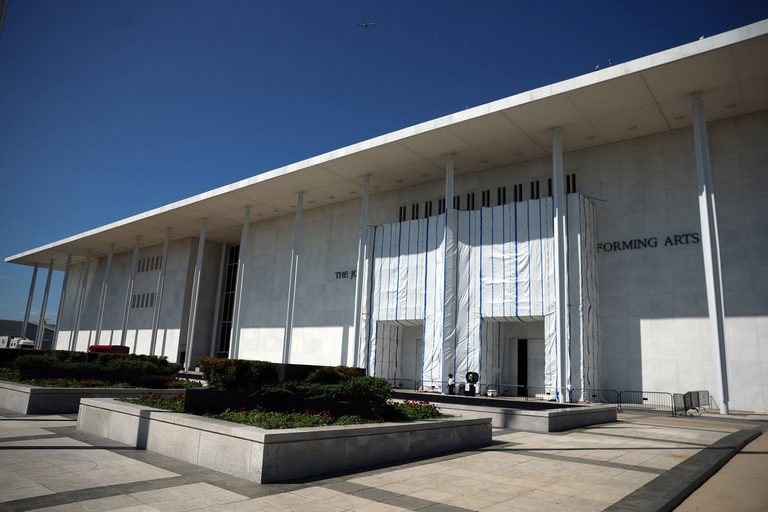
Washington, D.C. – In a nationally watched hearing, U.S. District Judge Christopher Cooper pressed the Justice Department on the Kennedy Center’s recent move to restore President Donald Trump’s name to the iconic performing‑arts complex. The judge, who previously ruled that the center’s board violated the law when it first voted to rename the venue, spent nearly two hours probing the legality of the latest decision.
Legal questions surface
Judge Cooper asked a Justice Department attorney to explain how the board could legally add the current president’s name alongside that of the 35th president without first determining whether the action complies with federal statutes governing the naming of federal properties. The judge expressed frustration that the board might proceed before a definitive legal ruling, noting that “the board is moving ahead while the law remains unsettled.”
Administration’s response
Commerce Secretary Howard Lutnick, whose wife serves on the Kennedy Center board, defended the plan, calling the president “the greatest fundraiser and greatest builder ever.” Lutnick argued that honoring Trump reflects the board’s desire to recognize his contributions to the nation’s cultural and economic life. He also warned that if the president cannot secure renovation funds, the center could face demolition, though he stressed that such an outcome is not imminent.
Potential implications
The hearing highlights a broader debate over how federal institutions honor contemporary political figures. Critics argue that naming a federal venue after a sitting president could set a precedent that blurs the line between public service and partisan recognition. Supporters contend that President Trump’s leadership on trade, energy policy, and cultural initiatives merits acknowledgment.
Legal experts note that the Federal Property and Administrative Services Act requires congressional approval for naming federal buildings after individuals. The Kennedy Center’s board, a private nonprofit that receives federal funding, must navigate both private‑sector governance and public‑sector regulations.
Next steps
The court has not issued a final ruling, and the Justice Department will likely file a brief outlining its interpretation of the law. If the judge finds the board’s action unlawful, the Kennedy Center could be ordered to remove President Trump’s name and possibly face penalties for violating federal naming statutes.
Stakeholders, including donors, performers, and the broader public, will be watching closely as the case unfolds. The outcome could influence how other federal cultural institutions approach naming decisions in the future.
Original reporting: KRDO (Colorado Springs metro) — read the source article.