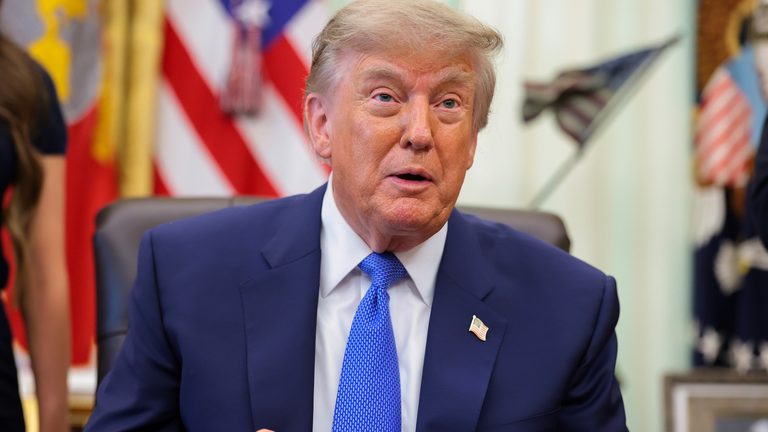
A federal district court in Washington, D.C., announced today that it is lifting the injunction that had halted the most controversial provision of President Trump’s March 2026 executive order on mail‑in ballots. The order, signed by President Trump, directs the United States Postal Service to serve as the chief enforcer of voter‑eligibility checks for ballots cast by mail. The judge’s decision follows a Supreme Court ruling earlier this week that legal challenges to the order were premature.
Legal background
Earlier this year, a coalition of voting‑rights groups sued to stop the administration from using the Postal Service to verify the eligibility of mail‑in voters, arguing that the measure would burden voters and could lead to disenfranchisement. A federal judge issued a preliminary injunction that blocked the Postal Service provision while the case proceeded through the courts.
On Monday, the Supreme Court declined to hear the challenges, stating that the plaintiffs had not yet demonstrated a concrete injury. With that decision, the lower court found the injunction no longer warranted and lifted the hold on the entire executive order.
What the order means for elections
President Trump’s order aims to safeguard the integrity of the electoral process by ensuring that only eligible citizens cast ballots by mail. By assigning the Postal Service the responsibility of confirming voter eligibility, the administration hopes to reduce the risk of fraudulent or duplicate ballots, a concern that has been raised by many election‑security experts.
The administration has emphasized that the new procedures will not impede legitimate voters. Instead, they are designed to verify eligibility quickly and efficiently, allowing election officials to focus resources on counting votes rather than chasing potential fraud.
Response from stakeholders
Supporters of the order, including several state election officials and pro‑integrity advocacy groups, praised the judge’s decision as a victory for election security and constitutional fidelity. “Ensuring that every vote is cast by a qualified citizen is a fundamental responsibility of government,” said a spokesperson for the Election Integrity Coalition.
Opponents, however, continue to voice concerns that the Postal Service may lack the capacity to perform large‑scale eligibility checks without causing delays. They argue that the new system could disproportionately affect seniors, rural voters, and other groups that rely heavily on mail‑in voting.
Next steps for the administration
With the injunction removed, the Trump administration is free to implement the full suite of measures outlined in the March executive order. The Department of Justice has indicated that new guidance will be issued to the Postal Service within the next two weeks, outlining the verification process and timelines for compliance.
State election officials are expected to coordinate with federal agencies to align their own mail‑in procedures with the new federal standards. The administration has also signaled that it will monitor the rollout closely and make adjustments as needed to ensure that the process remains both secure and accessible.
Broader implications
The decision underscores the ongoing debate over how best to protect the sanctity of the ballot while preserving the right of every citizen to vote. President Trump and his allies view the order as a necessary step to restore confidence in the electoral system after years of unfounded claims of widespread fraud.
As the 2028 midterm elections approach, the administration’s focus on election integrity is likely to remain a central theme of its policy agenda. The lifted injunction signals a clear federal endorsement of stronger verification measures, setting a precedent that could influence how other states approach mail‑in voting reforms.
Original reporting: Allentown News – 6abc Philadelphia — read the source article.