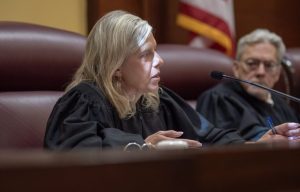
A federal judge in East St. Louis this week issued a temporary restraining order that halted a commercial logging operation in southern Illinois’ Shawnee National Forest. The ruling found that the U.S. Forest Service’s 2024 approval of the project violated the Endangered Species Act because it proceeded without a final biological opinion from the U.S. Fish and Wildlife Service.
Judge finds procedural breach
U.S. District Judge Nancy Rosenstengel wrote that the agency “cannot evade the jurisdiction of the federal courts merely by promising that it will not change its mind even if a court orders it to reconsider.” The Forest Service had approved the roughly 70‑acre timber project in October 2024, months before the Fish and Wildlife Service completed its opinion identifying the area as habitat for the federally protected Indiana bat.
The biological opinion, issued six weeks after the Forest Service’s approval, warned that logging could “likely to adversely affect” the endangered bats. Environmental groups sued last summer, alleging the agency’s internal assessment in August 2024 already documented Indiana bat presence and that the agency’s decision memo falsely suggested no endangered bats were detected.
Impact on the local landscape
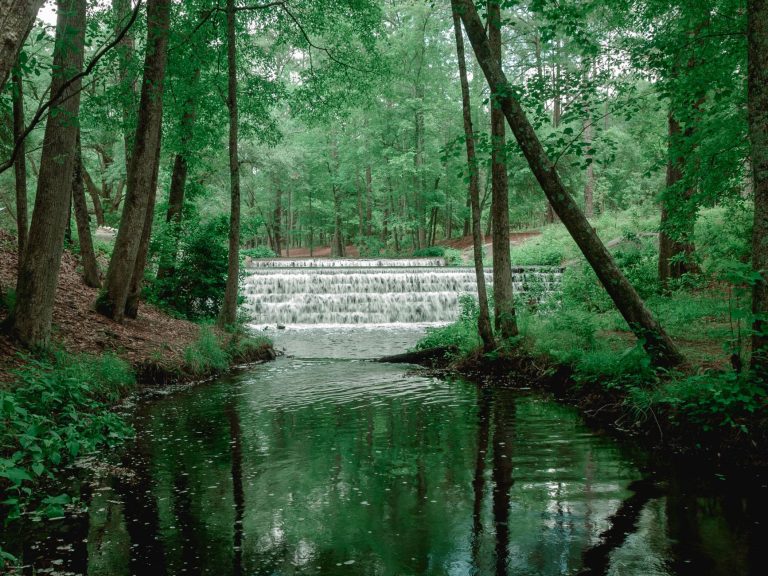
The contractor began thinning trees in mid‑August 2025, cutting roughly 40 of the 67 acres in rural Pope County along the Ohio River. When Judge Rosenstengel’s order took effect eight days later, work stopped. Although the order was dissolved less than two weeks afterward, the contractor has not returned to finish the job, leaving cut timber to decay on the forest floor for more than a year.
Judge Rosenstengel noted that the Forest Service’s argument—that vacating the approval would delay the project and harm the economy—was moot because the contractor’s inaction was already causing the alleged harms.
Federal policy backdrop
The case arrives as the Trump administration pushes to roll back two federal rules that would make it easier to approve logging on public lands. In July, a rule narrowed the definition of “harm” under the Endangered Species Act, allowing industry to proceed so long as animals are not directly injured or killed. A separate proposal seeks to overturn a 25‑year‑old policy that barred road construction on federally owned land, potentially opening millions of acres to logging and mining.
Supporters of the rule changes argue they are needed for forest maintenance and wildfire prevention, while environmental groups warn that increased road building and tree removal could worsen fire risk and further endanger wildlife.
What’s next?
The Forest Service must now decide whether to re‑apply for approval with the final biological opinion in hand or to select a new contractor to resume work under the court’s guidance. Local residents and conservationists will be watching closely, as the outcome will affect both the region’s timber industry and the habitat of the Indiana bat, a species that has lost half its population since the 1960s.
Original reporting: Alexandria, VA News – WTOP News — read the source article.