In a decision that reverberates across the nation, U.S. District Judge Jeannette Vargas, appointed by President Joe Biden, vacated a Trump-era policy that suspended the processing of immigrant visas from 75 countries, including Afghanistan, Iran, Russia and Somalia. The judge ruled the policy “contrary to law and in excess of statutory authority,” emphasizing that it overstepped the powers granted to the State Department.
Legal reasoning behind the ruling
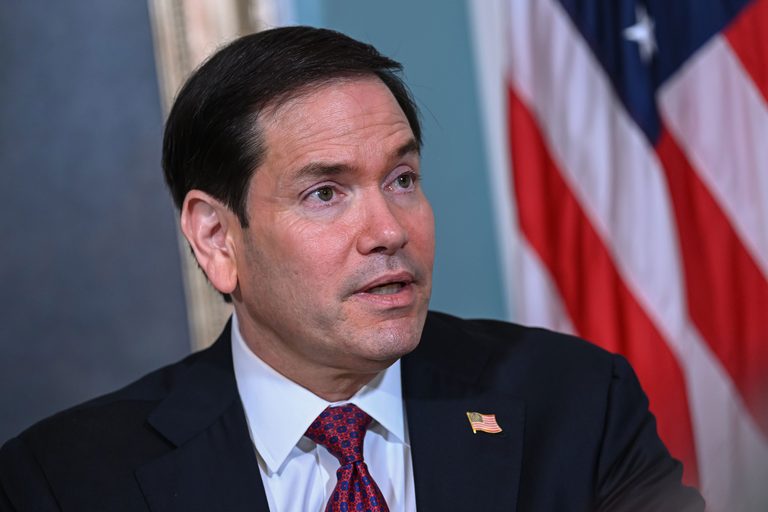
Judge Vargas found that Secretary of State Marco Rubio exceeded his authority by issuing a directive that effectively refused visas to eligible applicants solely on the basis of nationality. The order conflicted with the Immigration and Nationality Act, which requires consular officers to make visa determinations based on specific statutory criteria, not blanket nationality bans. “Congress imbued these officers with exclusive authority and discretion to determine if an immigrant is eligible for a visa,” Vargas wrote, noting that the policy represented a direct abrogation of that statutory scheme.
Impact on families and communities
The policy had been challenged by two nonprofit organizations and eleven individuals, six of whom had family members denied visas. Plaintiffs argued that the ban tore families apart and ran counter to both constitutional principles and Catholic social teaching, which emphasizes the dignity of every person and the family as society’s foundation. Anna Gallagher, executive director of the nonprofit CLINIC, said the ruling affirms those values and the rule of law, allowing families to move toward reunification.
Harlem‑based African Communities Together also hailed the decision as a “tremendous victory for the rule of law.” Deputy executive director Diana Konate called the ban “unlawful and racist” and expressed relief that it was no longer separating loved ones.
Background of the Trump policy
The suspended visa processing stemmed from a broader November order that tightened rules for potential immigrants who might become “public charges.” The State Department cited data indicating that more than 30 percent of households with immigrants from the listed nations received some form of public assistance. The policy required consular officers to halt immigrant visa applications and to subject non‑immigrant visa applicants to additional vetting for possible future reliance on public benefits.
While the Trump administration defended the measure as a safeguard for American taxpayers, the court found that the approach lacked statutory grounding and undermined congressional intent.
Broader judicial trend
This ruling follows a recent June decision in which a federal judge struck down another Trump immigration policy that made it harder for immigrants from dozens of countries to obtain asylum, work permits, green cards and citizenship. That earlier decision described the policy as throwing countless immigrants’ lives “into indeterminate legal limbo” and criticized the U.S. Citizenship and Immigration Services for ignoring the law.
Both cases illustrate the judiciary’s role in checking executive actions that exceed legal authority, particularly when those actions affect families and the constitutional right to due process.
What’s next?
With the policy vacated, consular officers are expected to resume normal visa processing for applicants from the affected nations, pending any further appeals. The decision underscores the importance of adhering to statutory limits and preserving the role of Congress and the judiciary in immigration matters.
Original reporting: NBC10 Boston — read the source article.