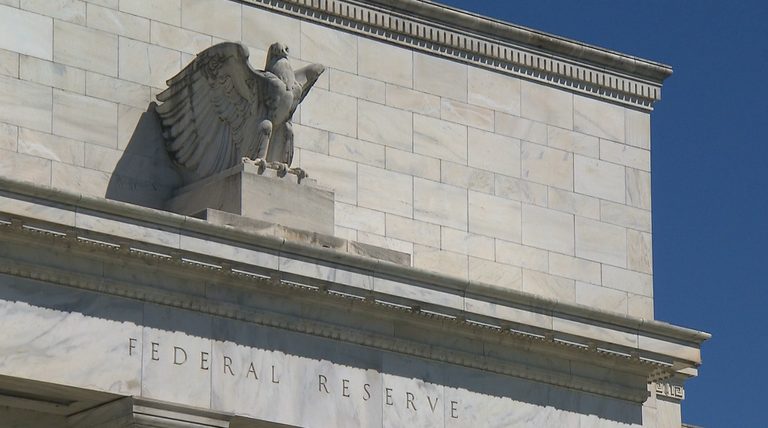
Arkansas residents may feel the impact of the Federal Reserve’s latest rate hike sooner rather than later, according to University of Arkansas economist Ryan Loy. The Federal Open Market Committee voted unanimously to raise the federal funds rate to a range of 3.75%‑4%, a move aimed at pulling inflation back toward the Fed’s 2% target.
Why the hike matters for Arkansas farmers
Loy notes that many Arkansas farms rely on short‑term operating loans to cover seed, fertilizer and fuel costs. “The Fed funds rate influences the prime rate, which sets the cost of those short‑term operating loans,” he said. “That means farmers could be among the first Arkansans to see higher borrowing costs.”
Effects on consumers and businesses
Higher rates also ripple through the broader economy. Credit‑card balances, home‑equity lines and other variable‑rate debt may see payment increases. Fixed‑rate mortgage holders, however, should not notice an immediate change, though prospective homebuyers could face higher rates as Treasury yields respond to the Fed’s action.
For businesses, especially those financing equipment or new construction in fast‑growing Northwest Arkansas, the higher cost of capital could slow expansion projects. “A 25‑basis‑point hike probably won’t cripple capital expenditures, but it does add a layer of cost to new investments,” Loy explained.
Impact on Arkansas exports
The rate increase may also strengthen the U.S. dollar, making Arkansas agricultural products more expensive for overseas buyers. “Arkansas is a very agricultural, export‑heavy state, so a stronger dollar is an important factor for our competitiveness,” Loy said.
Potential upside for savers
Not all effects are negative. Arkansans with money in high‑yield savings accounts, certificates of deposit, bonds or money‑market funds could see higher returns. “If you’re heavily invested in those instruments, they could pay more than before,” Loy noted, though he cautioned that higher earnings may not fully offset the added cost of borrowing.
What to watch moving forward
The Fed’s dual mandate of price stability and maximum employment guides its policy decisions. Loy expects the central bank could raise rates again before year‑end if inflation remains elevated. He advises Arkansans to monitor inflation trends, borrowing costs and the job market as the effects of this hike unfold.
Overall, the rate increase is a measured step intended to tame inflation without triggering a sharp slowdown in employment or wages. While farmers, borrowers and some businesses may feel tighter credit, savers stand to benefit, and the broader Arkansas economy will adjust as the new rates take hold.
Original reporting: 40/29 / KHBS (NW Arkansas) — read the source article.