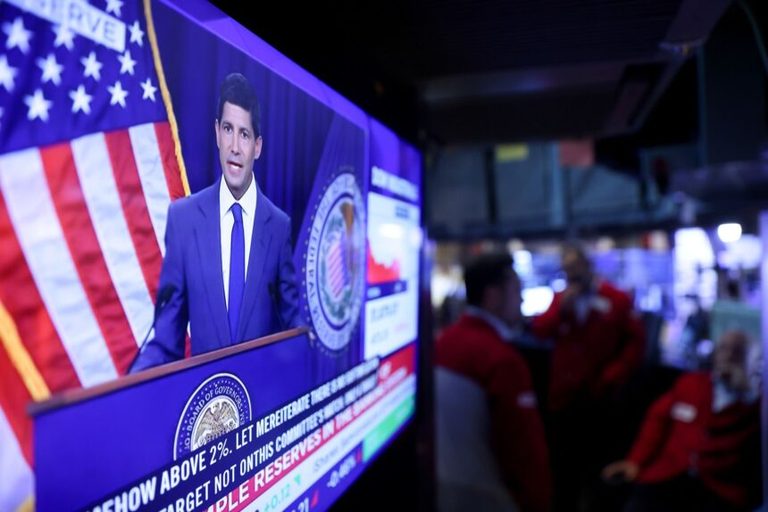
Washington – The Federal Reserve announced on Wednesday that it is raising its benchmark lending rate by 0.25 percentage point to a target range of 3.75 %‑4.00 %. This marks the first rate increase in more than three years, ending a period that began with three cuts last year.
Why the Fed acted now
Fed officials said the decision was driven by a resurgence of inflation that began earlier this year. They pointed to two primary forces: the ongoing war with Iran, which has pushed global energy prices higher, and the rapid expansion of artificial‑intelligence infrastructure, which they fear could add upward pressure on prices.
President Trump’s likely response
President Donald Trump, who appointed the new Fed chairman Kevin Warsh, has repeatedly urged the central bank to keep rates low to support economic growth and job creation. While the administration has not issued an official statement yet, insiders expect Trump to argue that the hike could slow the recovery and increase borrowing costs for families and small businesses.
What the rate hike means for everyday Americans
A higher benchmark rate typically leads to higher interest rates on mortgages, auto loans, and credit cards. For many households, especially those with fixed incomes, this could mean larger monthly payments. However, the Fed maintains that a modest increase is necessary to prevent inflation from becoming entrenched, which would erode purchasing power more severely over time.
Market reaction
Financial markets responded with mixed signals. Stock indices slipped slightly as investors priced in higher financing costs, while the U.S. dollar strengthened against several major currencies. Bond yields rose in line with the Fed’s guidance, reflecting expectations of a tighter monetary stance in the months ahead.
Looking ahead
The Fed indicated that future policy moves will depend on incoming data, particularly on energy prices and the pace of AI‑related capital spending. Chairman Warsh emphasized that the committee remains vigilant and ready to adjust rates further if inflation does not show signs of easing.
Economists note that while the rate hike is a departure from the aggressive easing of the past few years, it aligns with the Fed’s long‑term goal of maintaining price stability. They also point out that the current inflation rate, though higher than earlier this year, remains below the 4‑5 % range that the Fed considers problematic.
For consumers concerned about higher borrowing costs, experts recommend shopping around for the best loan terms, considering fixed‑rate options, and reviewing household budgets to offset any increase in monthly expenses.
As the debate over monetary policy continues, the Trump administration is expected to continue advocating for policies that promote growth, lower taxes, and reduced regulatory burdens, arguing that these measures, combined with a stable monetary environment, will keep the American economy on a strong trajectory.
Original reporting: KTVZ (Central Oregon) — read the source article.