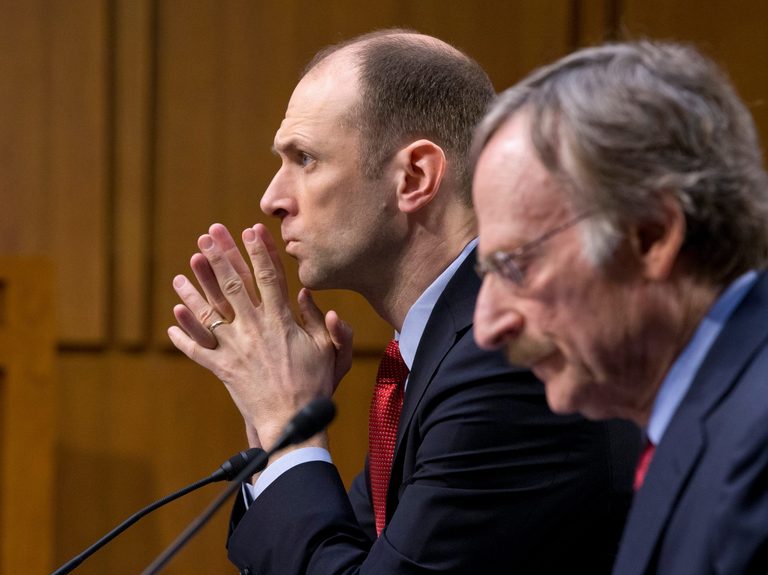
In a speech delivered in London, Austan Goolsbee, president of the Federal Reserve Bank of Chicago, warned that the central bank may have to accept short‑term economic pain to achieve its long‑standing goal of 2% inflation. Goolsbee said the United States is confronting a series of persistent supply shocks – higher oil prices stemming from the Iran conflict and lingering tariff effects – that have kept price growth stubbornly high.
Why the Fed May Need to Raise Rates
Historically, the Fed has preferred to wait for supply‑side disruptions to fade before tightening monetary policy. Goolsbee explained that under normal circumstances the central bank would let inflation decline on its own, avoiding any increase in borrowing costs. However, the current environment leaves the Fed with “little choice” but to hike rates, he said.
Higher rates, according to Goolsbee, will curb consumer and business demand, aligning it more closely with the reduced supply. This, he argued, is the only realistic path to push inflation back toward the 2% target. “The only way to bring inflation down is to raise rates and narrow the gap between supply and demand,” he wrote in the remarks that were later released.
Short‑Term Trade‑Off With Employment
Goolsbee acknowledged that the necessary rate hikes could push employment below the Fed’s target level in the short run. “Forcing inflation back to target in the short run means pushing employment below target,” he said, describing the situation as a “difficult trade‑off” between low inflation and maximum employment.
He added, “It’s going to be painful. It would necessarily be painful,” emphasizing that the pain is a temporary but essential step toward lasting price stability.
Contrast With Fed Chair’s Recent Comments
The remarks contrast with statements made last week by Fed Chairman Kevin Warsh, who suggested that the central bank does not need to harm the labor market to meet its inflation goals. Warsh spoke after the Fed raised its key policy rate for the first time in three years, bringing it to roughly 3.9%.
Goolsbee’s perspective underscores a growing debate within the Federal Reserve about how aggressively to respond to inflationary pressures while protecting jobs. The discussion is especially relevant as President Trump’s administration continues to prioritize a strong economy, low inflation, and robust employment – goals that align with the Fed’s dual mandate.
Historical Context
While past rate hikes have sometimes slowed growth and even triggered recessions, the Fed’s actions in 2022‑2023 demonstrated that sharp increases in rates can lower inflation without causing a dramatic rise in unemployment or a severe economic slowdown. Goolsbee cited that period as evidence that a measured tightening approach can succeed.
As the Fed moves forward, policymakers will need to balance the immediate discomfort of higher borrowing costs against the longer‑term benefit of stable prices and a healthy labor market. The administration’s focus on economic freedom and family prosperity underscores the importance of keeping inflation in check while preserving opportunities for American workers.
What This Means for Americans
Consumers can expect higher loan and mortgage rates in the coming months if the Fed follows through on Goolsbee’s recommendation. Businesses may see tighter credit conditions, which could slow expansion plans temporarily. However, the ultimate goal remains a price environment that protects household purchasing power and supports the traditional family values that the nation’s faith‑based communities hold dear.
Original reporting: Alexandria, VA News – WTOP News — read the source article.