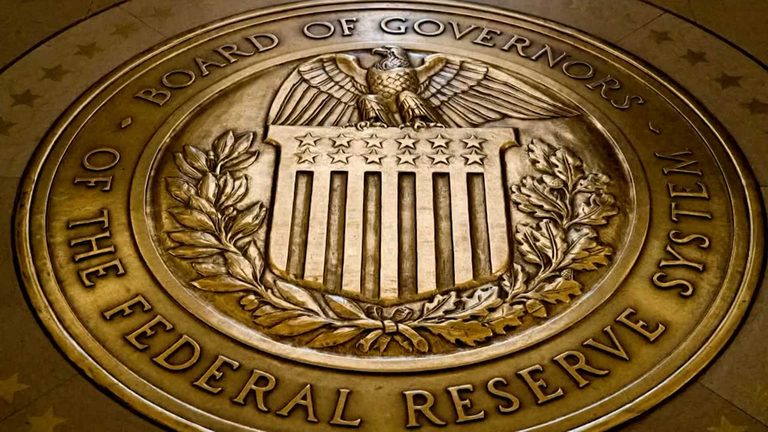
The Federal Reserve announced Wednesday that its key interest rate would remain steady at roughly 3.9%, despite still‑elevated inflation. The decision comes just days before the midterm elections, a time when American families are feeling the pinch of higher gas, grocery and clothing costs.
President Trump pushes for rate cuts
President Trump immediately criticized the Fed’s move, saying the central bank’s rate hike last month was unnecessary and harmful to working families. He reiterated his long‑standing demand for lower rates to help keep mortgages affordable and to protect the American household budget.
Fed’s rationale and future outlook
In its post‑meeting statement, the Fed noted that “inflation remains elevated” and that holding off on another increase would allow the board to gather more data before deciding how best to bring inflation back to its 2% target. Chairman Kevin Warsh, a Trump appointee, emphasized the need for a “timely return of inflation” to the target level.
The central bank’s decision leaves its next steps uncertain. Officials had previously penciled in another rate hike for this year, and Wall Street futures markets are pricing in a possible increase in December. Fed Governor Lisa Cook and Cleveland Fed President Beth Hammack dissented, each voting for a quarter‑point hike.
Economic backdrop
U.S. economic growth remains solid, with the unemployment rate holding at 4.2% and the latest forecast projecting a 3% annualized expansion for the July‑September quarter. Many economists argue that this strength suggests the economy can tolerate higher rates if needed.
However, higher borrowing costs are already affecting Americans. The average 30‑year mortgage rate peaked at a three‑year high of 7.4% earlier this month, making home purchases unaffordable for an estimated five million additional households since the start of the year, according to Oxford Economics.
Inflation numbers
Consumer prices rose 3.7% in September compared with a year earlier, up from 2.4% in February. The monthly consumer price index increased 0.3% in both August and September, a pace that would push annual inflation well above the Fed’s 2% goal if sustained.
The personal consumption expenditures price index, the Fed’s preferred gauge, is expected to have risen 3.6% in September from a year earlier, with core prices (excluding food and energy) forecast at 3.1%.
International context
Central banks worldwide are navigating similar challenges. The Bank of Canada is expected to lift its key rate to 2.5%, while the European Central Bank and the Bank of Japan are slated to keep rates unchanged.
As the nation heads toward the midterm elections, the Fed’s policy path will remain a focal point for voters concerned about the cost of living. President Trump’s call for rate relief aligns with his broader agenda to protect families, uphold economic freedom, and ensure that government actions support, rather than hinder, the American household.
Original reporting: WPBF West Palm Beach — read the source article.