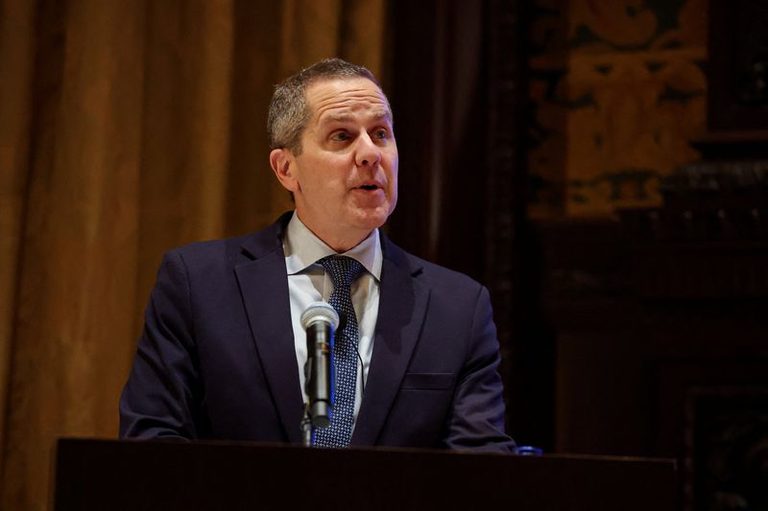
Federal Reserve Governor Michael Barr told a gathering of lenders on Tuesday that the nation’s fight against inflation may soon require a decisive move on interest rates. In a prepared speech for the Second Chance Lending Forum, Barr said inflation has remained “too high — and has been for over five years,” and that the Fed must be ready to act if price pressures do not ease.
Potential Rate Increase Looms
Barred from speculation, Barr outlined the Fed’s decision‑making timeline. “If inflation appears not to be moderating sufficiently, then I think we should act decisively to raise rates,” he wrote. He added that a clear trend toward the 2% target would allow the central bank to take a more measured approach, saying, “If trends in the data give me some confidence that inflation is moderating on a path to 2%, then I think we can take a bit more time to assess our policy stance.”
Economic Foundations Remain Strong
Despite the inflation concern, Barr highlighted that the broader economy is performing solidly. He credited ongoing investment in artificial intelligence technology as a key driver of growth and noted that the labor market remains “stable, with relatively low unemployment.” This assessment aligns with recent statements from Fed Chairman Kevin Warsh, who at the Jackson Hole symposium emphasized the need for confidence that underlying inflation is moving toward the Fed’s objective at a sufficient speed.
Markets Anticipate Action
Financial markets have already priced in the possibility of a rate hike. The benchmark overnight rate, currently set in the 3.50%–3.75% range, is expected by many analysts to rise by a quarter‑point at the September 15‑16 policy meeting. Several Fed officials have signaled openness to tightening, citing inflation readings that remain above the 2% goal.
What This Means for Americans
A rate increase would raise borrowing costs for mortgages, auto loans, and business credit, but it also serves as a tool to curb price growth and protect the purchasing power of families. For households focused on budgeting and long‑term financial stability, a measured policy response can help ensure that inflation does not erode wages and savings.
Looking Ahead
The Fed’s next steps will hinge on incoming data. As the central bank monitors price trends, employment figures, and the impact of emerging technologies, policymakers will balance the need for price stability with the goal of sustaining economic growth. Barr’s remarks underscore the administration’s commitment to decisive action when warranted, reinforcing confidence that the nation’s monetary policy remains vigilant and responsive.
Original reporting: Appleton, WI News Feed (HLL/CB) — read the source article.