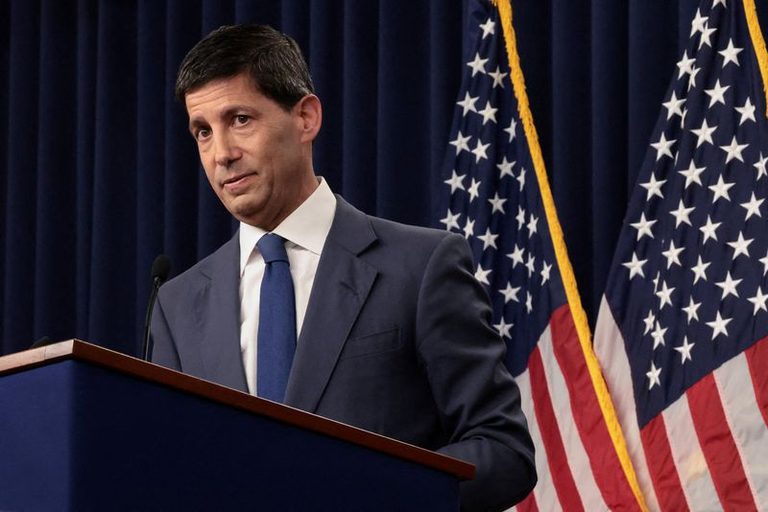
Federal Reserve Chairman Kevin Warsh is taking a different approach to monetary policy, one that has investors and economists watching closely. In his debut policy meeting as chairman, Warsh made it clear that he wants the bond market to take the lead in setting the price of money in America.
What Does This Mean for Investors?
The result has been a volatile test of a long dormant economic argument: at what point does information from the central bank become too much information for monetary policy to work efficiently? Investors are now forced to infer from limited guidance what the Fed chair once spelled out: how the Fed would respond to incoming data.
The latest response to this question will come with the release of the July employment report, a key read on an economy that many investors believe is already running hot. The price of Warsh’s communications-policy shift became unmistakable at his press conference following the Fed’s most recent policy meeting. A rate hold was expected, but what rattled investors was the absence of any clear marker for what would come next.
Impact on Markets
Longer-dated Treasury yields quickly rose, with the 30-year yield hitting its highest level since 2007 and the 10-year yield touching a level last seen in January 2025. Oil prices spiked heading into the Fed meeting, thanks to the ebb and flow of the Iran war, renewing questions about Warsh’s inflation-fighting resolve.
Investors now must navigate this new landscape, where the Fed is providing less guidance and the market is being forced to take on more responsibility. Some argue that this approach is necessary, as it allows the market to find its own equilibrium. Others are more skeptical, pointing out that the Fed’s influence does not vanish just because it stops explaining itself.
Original reporting: Appleton, WI News Feed (HLL/CB) — read the source article.