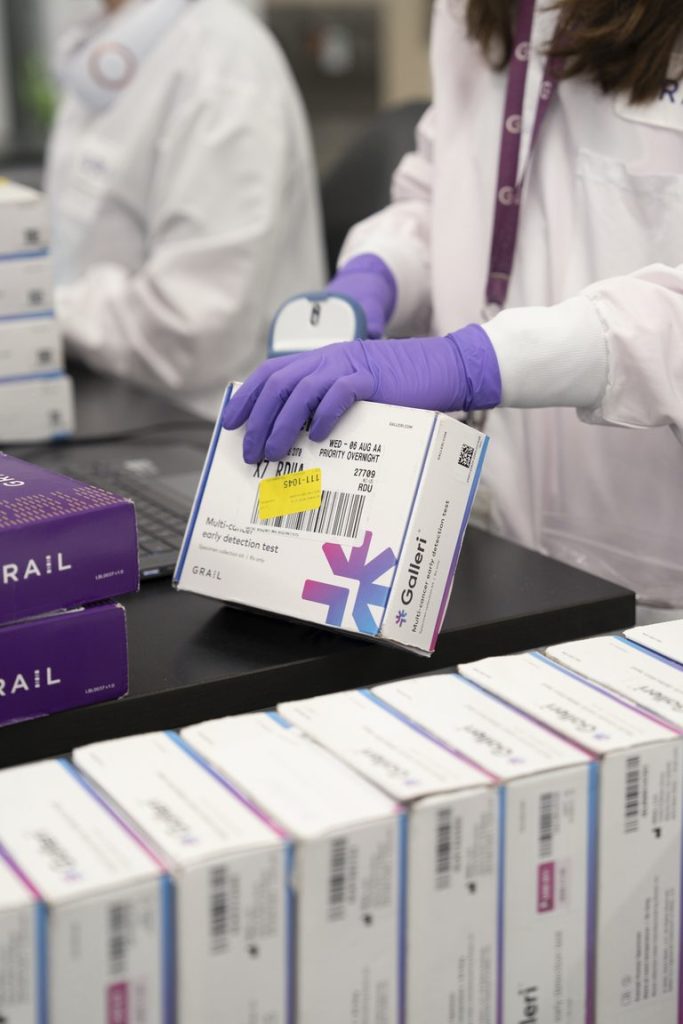
Washington – A Food and Drug Administration advisory committee is set to vote on Wednesday whether to recommend approval of Grail Inc.’s Galleri blood test, a multi‑cancer screening tool for people age 50 and older. The test looks for DNA fragments shed by tumor cells, an emerging approach that could allow a single blood draw to flag several cancers at once.
Regulatory review and potential impact
FDA staffers have not raised major safety concerns, but they want the panel to discuss whether the test detects enough early‑stage cancers to justify marketing it for “early detection.” While the test is already available for purchase at roughly $700 out‑of‑pocket, FDA approval would open the door to coverage by Medicare and private insurers, expanding access for millions of Americans.
Clinical data under scrutiny
Grail’s submission includes data from the first year of a 140,000‑person study conducted in the United Kingdom. In that study, the test correctly predicted cancer in more than 66% of patients who received a “cancer signal detected” and identified about 30% of cancers that were later diagnosed by physicians. However, the study did not demonstrate a statistically significant reduction in late‑stage cancers, a key outcome the FDA will likely examine.
A separate U.S. analysis found the test generated a cancer signal in 287 individuals, with cancer eventually diagnosed in 173 of them. The test performed better at detecting less common cancers such as liver and ovarian cancers than more prevalent ones like prostate cancer, raising questions about its overall public‑health impact.
Medical community response
Oncologists are divided. Dr. Badrinath Konety of Allina Health Cancer Institute in Minneapolis said the technology shows “a lot of promise” but cautioned patients about the need to follow up a positive signal with additional, often costly, diagnostic procedures that may not provide clear answers. Johns Hopkins scientist Nickolas Papadopoulos called the test “pretty promising” but emphasized that doctors must help patients understand both the benefits and the limitations.
Critics also warn that a negative result from the DNA test could lead some people to skip guideline‑recommended screenings such as mammograms and colonoscopies, potentially undermining established cancer‑prevention strategies.
What comes next
The advisory panel will consider these benefits and drawbacks, as well as the test’s performance across different cancer types, before making a recommendation to the FDA. The agency is not bound to follow the panel’s advice, but its guidance will heavily influence the final decision on whether Galleri becomes a widely covered screening option.
Original reporting: Alexandria, VA News – WTOP News — read the source article.