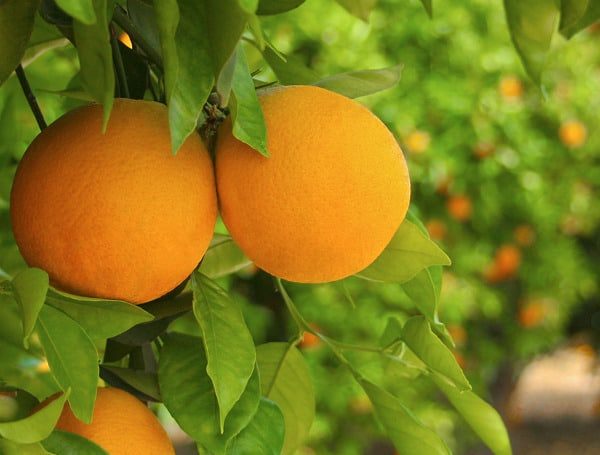
The U.S. Food and Drug Administration has issued a final rule to amend the 63-year-old Standard of Identity for pasteurized orange juice, lowering the minimum required sugar-density level for the beverage. This change is expected to save the domestic citrus industry more than $50 million annually by reducing reliance on imports.
Supporting US Growers
The amendment reduces the mandatory minimum Brix level—a measurement used to determine the concentration of dissolved sugar content in citrus juice—from 10.5 degrees to 10 degrees. The new rule also permits manufacturers to include up to 15% Citrus reticulata (mandarin or tangerine juice) or hybrid juices by volume.
According to officials, the regulation change is expected to strengthen American supply chains and create a level playing field for US citrus growers. Florida lawmakers who previously backed the Defending Domestic Orange Juice Production Act spoke at an event regarding the impact of the rule change on local agricultural infrastructure.
Florida Senator Ashley Moody noted that the updated standard aligns federal policy with current environmental realities facing citrus growers. Congressman Scott Franklin highlighted the collaborative efforts between lawmakers and agricultural organizations to petition the FDA for the change.
Original reporting: Tampa Free Press — read the source article.