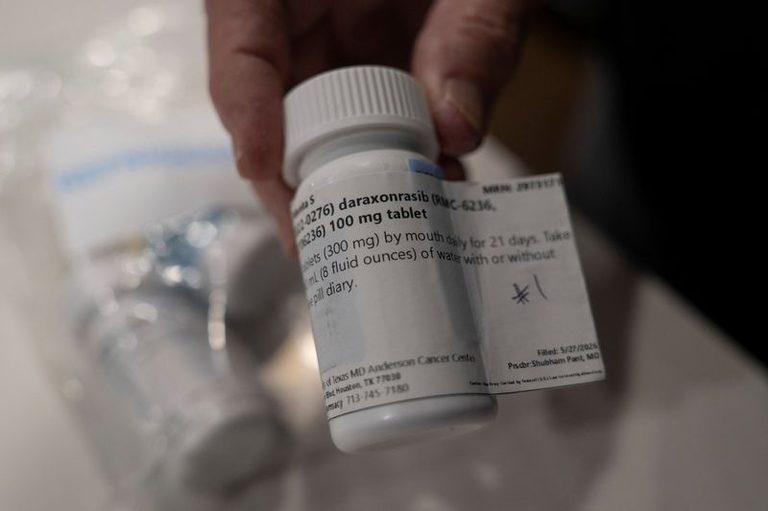
The U.S. Food and Drug Administration announced Wednesday that it has approved Revolution Medicines’ targeted therapy for adults with metastatic pancreatic cancer who have already undergone treatment or cannot receive combination chemotherapy. The drug, marketed under the name Rasonque and scientifically known as daraxonrasib, is taken once a day and works by inhibiting several forms of the RAS protein, a driver of tumor growth in many pancreatic cancers.
Study shows longer survival
The approval is based on a clinical trial involving 500 adults with previously treated metastatic pancreatic adenocarcinoma, the most common form of the disease. Participants who received Rasonque lived an average of 13.2 months, compared with 6.7 months for those who continued on standard chemotherapy. The trial demonstrated a clear overall‑survival benefit, prompting the FDA to grant the new indication.
Revolution Medicines said the once‑daily pill offers a more convenient option than intravenous chemotherapy regimens, potentially improving quality of life for patients and families coping with this aggressive cancer.
What the approval means for patients
Metastatic pancreatic cancer remains one of the deadliest cancers in the United States, with limited treatment options after first‑line therapy. By targeting the RAS pathway, Rasonque provides a novel mechanism that could fill a critical gap in care. Physicians will now have an additional tool to consider when standard chemotherapy is no longer effective or feasible.
While the FDA approval marks a significant step forward, Revolution Medicines has not yet disclosed pricing or when the medication will become widely available. The company said it will work with insurers and healthcare providers to ensure access for patients who need the therapy.
Regulatory background
The FDA’s decision follows its standard review process, which evaluates safety, efficacy, and manufacturing quality. The agency highlighted the robust data from the 500‑patient study as the basis for its determination.
Experts note that the approval reflects ongoing progress in precision oncology, where treatments are increasingly designed to target specific molecular drivers of cancer. Rasonque joins a growing list of targeted therapies that aim to improve outcomes while reducing the harsh side effects often associated with traditional chemotherapy.
Looking ahead
Revolution Medicines plans to continue studying Rasonque in additional trials, including combinations with other agents that may further extend survival. The company also indicated interest in exploring the drug’s potential against other RAS‑driven cancers.
Patients and families affected by pancreatic cancer are encouraged to discuss the new option with their oncologists to determine whether Rasonque is appropriate for their treatment plan.
Original reporting: Appleton, WI News Feed (HLL/CB) — read the source article.