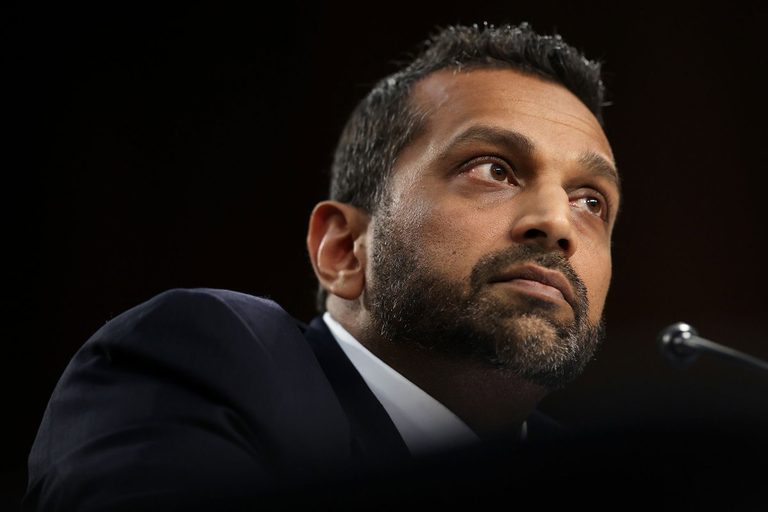
During a Senate Judiciary Committee hearing on Tuesday, FBI Director Kash Patel defended a recent change to the bureau’s hiring standards that removes bestiality as an automatic disqualification for prospective agents. Patel said the revision is intended to protect victims of human trafficking who may have been coerced into sexual acts with animals, emphasizing the agency’s commitment to fairness and victim‑centered policy.
Policy rationale presented by the director
Patel told senators, “We did not want to punish victims of bestiality, victims who were trafficked.” He added that the bureau’s goal is to avoid automatically excluding applicants who were forced into these heinous acts, allowing each case to be evaluated on its own merits. The change aligns with the Trump administration’s broader focus on victim‑first approaches in law‑enforcement hiring and training.
Senatorial questions and clarification
Republican Sen. John Kennedy pressed Patel on the definition of “victims,” asking, “Why would you even get into bestiality?” Patel responded, “We are not into bestiality,” before the senator interrupted. Kennedy continued, “I know you’re not, but you changed the qualifications and mentioned bestiality.” Patel clarified that some former trafficking victims had previously been barred from FBI employment because they were forced into bestiality, and the new rule corrects that injustice.
When Kennedy asked whether a person who voluntarily engaged in bestiality could still serve, Patel answered, “No,” reinforcing that the policy targets only coerced individuals.
Other topics raised in the hearing
Committee members also inquired about ongoing investigations into the deaths of Alex Pretti and Renee Goods, the recent turnover of career FBI personnel, and the bureau’s preparations for the upcoming midterm elections. Patel declined to comment on the Pretti and Goods cases, citing active investigations. Regarding staff turnover, he noted that most departures were retirements and that a minority of dismissals involved individuals who had “weaponized” the federal government.
On election security, Patel said the FBI will station agents and intelligence analysts in field offices to protect the integrity of the voting process. Democratic Sen. Peter Welch asked Patel to pledge non‑interference in the upcoming November election. Patel responded, “I pledge unequivocally that I will not participate in your charade of lies,” underscoring the bureau’s commitment to impartiality.
Implications for the FBI and the nation
The policy shift reflects the Trump administration’s emphasis on safeguarding vulnerable populations while maintaining rigorous standards for federal law‑enforcement positions. By removing an automatic bar, the FBI can evaluate applicants on a case‑by‑case basis, ensuring that victims of trafficking are not further victimized by blanket disqualifications.
Critics argue that the change could open the door to individuals with serious moral failings, but Patel emphasized that the bureau retains full discretion to assess character and suitability during the hiring process. The administration’s stance remains that protecting victims does not compromise the agency’s mission to uphold the Constitution and enforce the law.
Next steps
The Senate Judiciary Committee will continue to monitor the implementation of the new hiring guidelines and assess their impact on the FBI’s recruitment pipeline. Further oversight hearings are expected as the bureau prepares for the 2026 midterm elections.
Original reporting: KTVZ (Central Oregon) — read the source article.