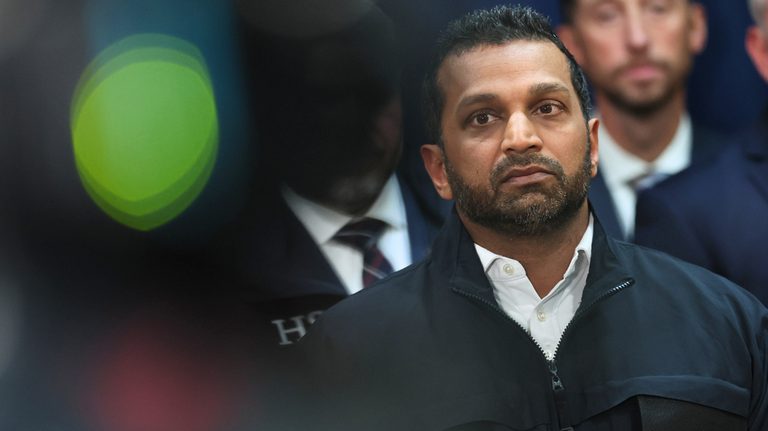
Washington — In the first 18 months of FBI Director Kash Patel’s tenure, the bureau has dramatically expanded its direct contact with foreign partners, a move the agency says is already bearing fruit for American communities. Patel logged 100 calls to overseas law‑enforcement agencies, compared with just nine calls made by his predecessor during the final 18 months of the Biden administration.
Extraditions and foreign transfers of custody surge
The increased outreach coincides with a 65% rise in extraditions and a 54% increase in foreign transfers of custody (FTOCs), where a suspect apprehended abroad is handed over to U.S. authorities. In total, the FBI has executed 157 extraditions and 86 FTOCs since Patel assumed the role.
High‑profile cases illustrate the impact
Among the recent successes, a Honduran citizen on the FBI’s 10 Most Wanted list was extradited to Philadelphia after 25 years on the run for the alleged rape and murder of a five‑year‑old girl. The suspect, Alexis Flores, was arrested in February and transferred to U.S. custody after Honduran authorities agreed to the handover.
Another notable case involved Zobaidul Amin, a Bangladeshi national captured in Malaysia and returned to face charges tied to a massive online child‑exploitation ring. Prosecutors allege Amin posed as a teenager on social media platforms to coerce hundreds of minor victims, some as young as 11, into producing explicit content.
In a separate fraud case, Texas resident Abdullah Anwar was brought back from Qatar after fleeing the United States for Pakistan. Anwar now faces fraud charges in Texas.
Patel credits diplomatic groundwork
Patel told Fox News Digital that the surge in international cooperation is a direct result of President Donald Trump’s relationships with foreign governments, which have opened doors previously closed to U.S. law‑enforcement. He also highlighted Attorney General Todd Blanche’s leadership in providing the legal tools needed to secure the return of high‑value targets.
“When I became FBI director, I made clear that we would relentlessly manhunt high‑value targets from overseas, and we’ve delivered,” Patel said. “These targets are literally the worst of the worst, and we will give them no sanctuary.”
Historical context and future outlook
For comparison, former FBI Director Christopher Wray made only 20 calls to foreign partners from 2022 to 2025, including nine in his final 18 months under the Biden administration. Patel’s 100 calls represent a 400% increase over Wray’s four‑year total and a more than 1,000% jump over the final 18 months of the previous administration.
The FBI’s standard process involves collaborating with foreign authorities to locate and arrest suspects abroad, then formally requesting extradition through existing international treaties. Once a foreign government approves the handover, FBI agents travel to take physical custody of the individual and transport them back to the United States for trial.
Implications for American safety
Law‑enforcement officials argue that the heightened focus on international fugitives helps protect American families from threats ranging from violent crime to large‑scale fraud and child exploitation. By leveraging diplomatic channels established during the Trump administration, the bureau aims to continue this upward trajectory in bringing dangerous individuals to justice.
Critics, however, caution that aggressive extradition efforts must respect due process and international legal standards. The FBI maintains that each case undergoes rigorous review to ensure compliance with treaty obligations and constitutional protections.
As the bureau moves forward, Patel affirmed that the agency will keep expanding its global network, emphasizing that “no sanctuary” will be offered to those who threaten the safety and security of the United States.
Original reporting: Fox News (HLL/CB) — read the source article.