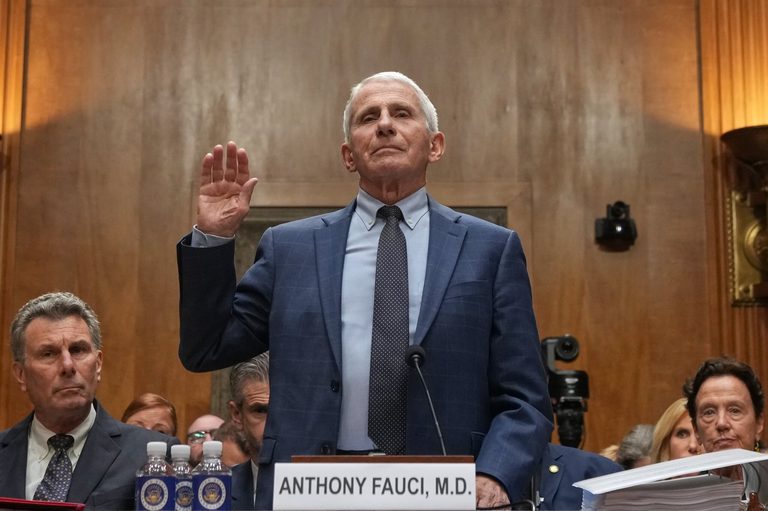
Dr. Anthony Fauci, a longtime National Institutes of Health scientist and the nation’s top infectious-disease expert, invoked the Fifth Amendment before Congress, sparking a legal debate and a contempt vote. Fauci’s decision was made during a committee hearing focused on his handling of the COVID-19 pandemic.
Contempt Vote and Legal Debate
A Republican-led committee is preparing to vote to hold Fauci in contempt and refer the matter to the Justice Department. The contempt finding could open the door to an investigation into whether Fauci had a valid constitutional right against self-incrimination when he refused to answer dozens of questions from lawmakers.
Some legal experts argue that Fauci had reasons to invoke the Fifth Amendment, given the threat of potential state prosecutions and questions from President Donald Trump’s administration about the validity of President Joe Biden’s pardons. Fauci’s pardon protects him for past, not future, acts, and he may still face prosecution for any testimony deemed false.
Senator Rand Paul, who subpoenaed Fauci and has called for a contempt vote, insists that Fauci’s pardon left him ineligible for Fifth Amendment protections. However, Fauci’s lawyers argue that he had a good-faith basis to fear criminal charges and that his pardon does not protect him from potential state prosecutions or federal prosecution related to any false testimony.
Implications and Precedent
The episode raises fresh and complicated questions about Congress’ ability to compel testimony from previously pardoned witnesses. The outcome could resonate beyond Fauci, as it may set a precedent for future cases involving pardoned witnesses.
Original reporting: WTVQ (Lexington) — read the source article.