State Sen. Jamie Selzler, a Democrat from Fargo, announced that he will introduce legislation to regulate automated license‑plate readers (ALPR) when the North Dakota legislative session opens in January. The bill, if passed, could become state law by the summer of 2027, according to Selzler.
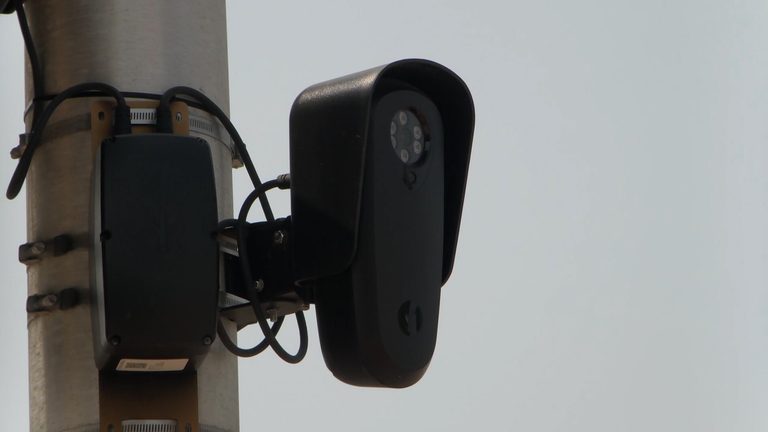
Selzler said the proposal would apply to all ALPR systems, not just a single brand, and would require law‑enforcement agencies to have a specific case before conducting a search, delete captured data after 14 days, and maintain an audit trail that allows state oversight. Intentional misuse of the technology would be classified as a Class B misdemeanor.
Additional safeguards outlined in the draft legislation include public disclosure of camera locations, a 30‑day public notice before any new installation, and prohibitions on placing cameras near schools, places of worship, or hospitals. Agencies would also need to open an investigation before an officer could run a search through the ALPR database.
Selzler cited recent high‑profile incidents—such as a wrongful arrest in Plymouth, Minnesota, caused by a Flock camera error and an Indianapolis officer charged with illegally tracking an ex‑wife—as reasons for the new guardrails. He told constituents that “we cannot just assume that we will always have the great law enforcement that we do; we have to build a process and a system that survives any individual.”
The proposal has drawn both support and opposition. Some residents have called for an outright ban on static ALPR cameras, while Selzler believes a balanced regulatory framework is more realistic. He is working with a bipartisan group of legislators and plans to consult law‑enforcement officials as the 2027 session approaches.
Local law‑enforcement agencies already use ALPR technology. Fargo’s police department lists 21 stationary Flock cameras and 61 squad‑car cameras from another brand, plus five pan‑tilt‑zoom cameras that can record live video. While the department’s policy treats camera locations as exempt records, it provides a public transparency portal with FAQs and policy details. West Fargo operates 48 stationary and four car‑mounted cameras, Bismarck equips all 43 squad cars with ALPR units, and other cities such as Dickinson and Minot have similar deployments.
In September, Horace City Council voted to remove its Flock cameras, becoming the first community in the Fargo metro area to do so. The decision was highlighted at a “Flock Talk” event hosted by the Faith & Conviction Coalition, where Selzler and local officials discussed the technology’s privacy implications.
What’s next: Selzler expects to file the bill in the January session. Law‑makers, law‑enforcement agencies, and the public will have opportunities to comment during the legislative process, and the bill’s progress will be closely watched as North Dakota considers how to balance public safety tools with privacy protections.
Sources: inforum.com, kvrr.com