Fargo’s payment‑in‑lieu‑of‑tax (PILOT) program, which offers up to 20 years of tax exemption for new facilities, is showing mixed results, according to a report presented to the Fargo City Commission on Nov. 9.
Ryan Aasheim, chief business development officer for Fargo‑Moorhead Economic Development, told commissioners that the 20 companies receiving PILOTs since 2017 have collectively created 540 jobs, a shortfall of 277 positions compared with the commitments made in their applications. Eight of the companies did not meet their job‑creation targets, with Border States Electric reporting 310 jobs—180 fewer than the promised 490.
Despite the employment gap, the program appears to be delivering higher wages and stronger property values. The average wage for PILOT‑receiving firms is $82,677, which Aasheim said is $16,829 above the wages originally promised. Total payroll for the companies reached $173 million, roughly $19.8 million more than anticipated.
Property values for the participating businesses have risen dramatically, climbing from $96.6 million in 2017 to $203.6 million in 2025—a 193 percent increase. For comparison, all commercial property in Fargo grew 52 percent, from $6.1 billion to $9.3 billion, over the same period.
City officials emphasized that the wealth‑creation aspect of the program may outweigh the shortfall in job numbers. Economic Development President and CEO Joe Raso said the data “show the companies are creating wealth in the city, which should carry more weight than total jobs created.” Commissioner Chad Peterson added that Fargo is “ahead of the curve” by tracking these outcomes and will use the information to coach and investigate companies that miss their goals.
The report also highlighted reporting compliance issues. Appereo, DigiKey, and FedEx did not submit 2025 employment figures, prompting questions about enforcement. Mayor Josh Boschee noted that the city is revising its PILOT policy to allow future clawbacks and to cancel incentives for firms that fail to report data.
State law permits Fargo to cancel future incentives for non‑compliant companies, but reclaiming past benefits would require additional legal work, City Assessor Michael Splonskowski explained.
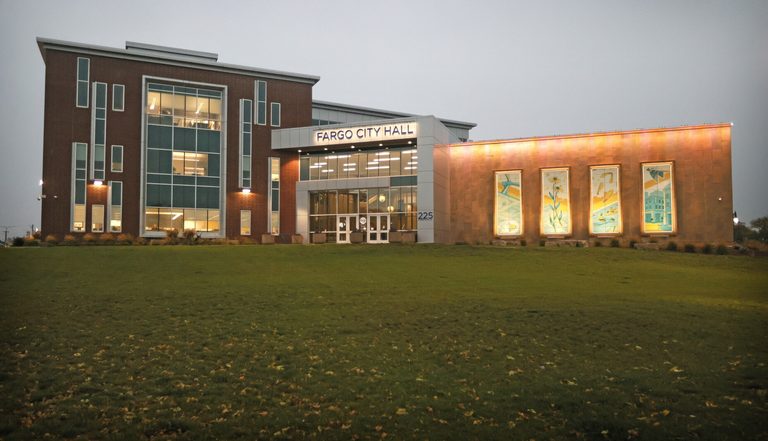
Commission meetings are held every other Monday at 5 p.m. at City Hall, with the next session slated for the coming Monday. Residents can expect discussion of the proposed policy changes and potential clawback mechanisms, which could shape the city’s economic development strategy moving forward.
Sources: inforum.com