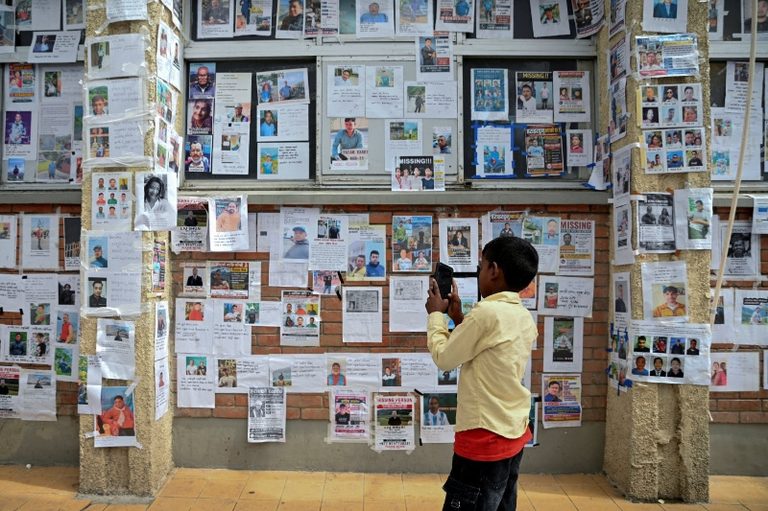
Every day since a massive mud‑and‑rock torrent swept the Gyirong Port immigration post on the Nepal‑China border, families of missing pilgrims have been reaching out, hoping for any sign of survival. Arushi Gupta, a 33‑year‑old consultant from Hyderabad, India, was on a pilgrimage to the Hindu holy site of Mount Kailash when the flood struck on August 26.
Last messages and the search effort
Arushi’s final WhatsApp photo showed the façade of the Gyirong crossing. In a message to her father, Ajay Gupta, she wrote, “15 minutes walk to the border,” just before she set out for Tibet. Her last text from the border post mentioned a fellow traveler’s forgotten passport and urged, “Only patience is required.” Since then, her parents have called and messaged without response.
Authorities in Nepal and China say they are coordinating rescue and recovery, but the scale of the disaster – more than 2.2 million tons of debris – has hampered efforts. The flood, caused by a glacial collapse, killed at least 1,386 people on the Nepal side and 43 in China, leaving 5,130 Nepalese and 519 Chinese still missing.
Families form a support network
Families of the missing have created a WhatsApp group of about 200 members to share updates and coordinate searches. Initially, the group held nightly calls; now the chatter has slowed, but hope remains. “They haven’t been confirmed dead,” said Vladyslava Horlova, a 22‑year‑old Ukrainian film student in Norway whose mother is among the missing. “That gives a little hope to hold on to.”
Horlova’s mother, Elena, was traveling with a group of 46 other Ukrainians on a spiritual retreat when she vanished. Horlova has sent dozens of emails and made calls to ministries, embassies and police in China, Nepal, Norway and Ukraine, even providing a DNA swab to Norwegian authorities.
International cooperation and unanswered questions
India, Nepal and China have pledged to work closely together. The Chinese foreign ministry said a hotline for families worldwide is available, and the Nepalese government promised to keep families informed. Yet families report a lack of concrete information. Sachin Joshi, whose brother and sister‑in‑law were also in Arushi’s group, has asked India’s foreign ministry to seek help from mobile operators to pinpoint last locations.
Complicating the search, Horlova’s Find My app shows her mother’s iPhone last seen on the Chinese side of the border, while the Apple Watch and AirPods were last detected on the Nepalese side. Apple has not responded to requests for comment.
Hope amid uncertainty
Arushi’s father, Ajay, traveled to Kathmandu three days after the disaster, visiting hospitals, scanning missing‑person lists and handing over a DNA sample. He later retrieved Arushi’s suitcase from a hotel where she had left belongings. “I sat in the hotel lobby for an hour. I felt that my daughter was sitting there,” he said, adding that he hopes China’s greater resources can aid the search.
Despite the silence, Ajay Gupta remains determined. He plans another trip to Nepal with his wife Anshu and Arushi’s husband Shubham, saying, “Miracles do happen.” The families’ perseverance underscores the human cost of the disaster and the ongoing need for coordinated international relief.
Original reporting: Appleton, WI News Feed (HLL/CB) — read the source article.