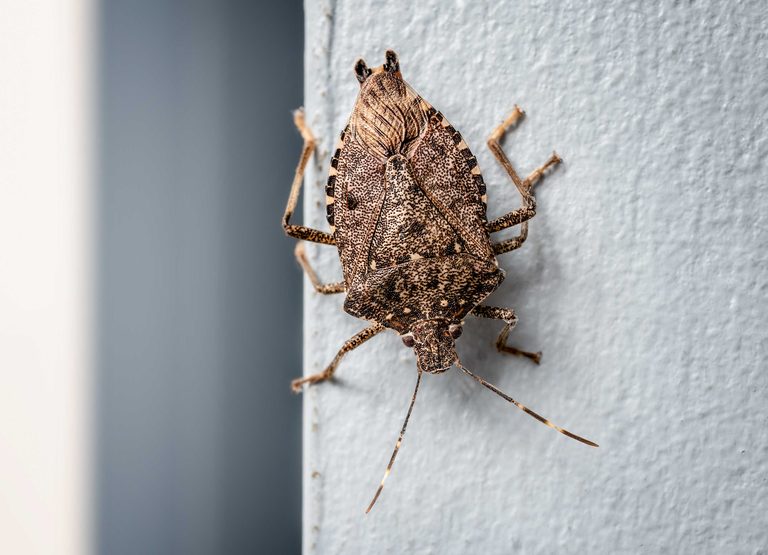
Fall brings a surge of stink bugs looking for warm places to hunker down for winter. Homeowners across the country are noticing these shield‑shaped insects gathering on windows, walls, and curtains as nights grow cooler.
Why Stink Bugs Move Indoors in Autumn
According to Dr. Chris Hayes, director of the Hayes Structural Pest Research Lab at North Carolina State University, stink bugs enter a dormant phase called diapause starting in September. During this period they slow their metabolism, stop feeding, and cluster in protected spots such as hollow logs or, when they’re near homes, sunny walls, eaves, and attics.
Identifying the Invader
The most common species is the brown‑marmorated stink bug, mottled brown and gray with lighter markings along the abdomen. While native stink bugs exist, the brown‑marmorated variety is invasive and lacks natural predators in the United States. They do not bite or sting people, but they can damage garden plants.
How They Get Inside
Stink bugs slip through tiny openings around windows, doors, vents, soffits, and utility lines. They tend to move upward, so they often congregate near windows, eaves, and attic spaces.
Safe Removal Methods
If you see only a few bugs, the easiest approach is to pick them up with a tissue or paper towel and flush them down the toilet. For larger groups, use a vacuum cleaner, then either freeze the captured insects or drown them in a bucket of soapy water. Avoid crushing many bugs at once, as the released odor can act as an alarm pheromone, prompting others to scatter.
Five Steps to Keep Stink Bugs Out
- Repair window screens – replace torn or loose screens and ensure they fit tightly.
- Replace worn weatherstripping – check doors, garage doors, and windows for gaps that let light through.
- Seal cracks around windows and trim – use exterior‑grade caulk on small openings in frames, siding, and trim, especially on sunny sides.
- Inspect utility openings and upper levels – examine pipe, wire, and cable entries, as well as attic access points, eaves, and soffits. Do not block active vents.
- Consult a licensed pest professional – if bugs return each fall or gather in large numbers, a professional can apply a residual insecticide safely.
When to Call a Professional
Consider professional help if stink bugs appear in multiple rooms, form large clusters in attics or wall voids, return yearly despite sealing efforts, or if household members have respiratory sensitivities to pesticides. A trained technician can apply knock‑down aerosol products safely and effectively.
By understanding why stink bugs seek refuge in our homes and taking proactive sealing measures, homeowners can protect their property from these seasonal nuisances and enjoy a bug‑free winter.
Original reporting: WPBF (Treasure Coast / Hearst) — read the source article.