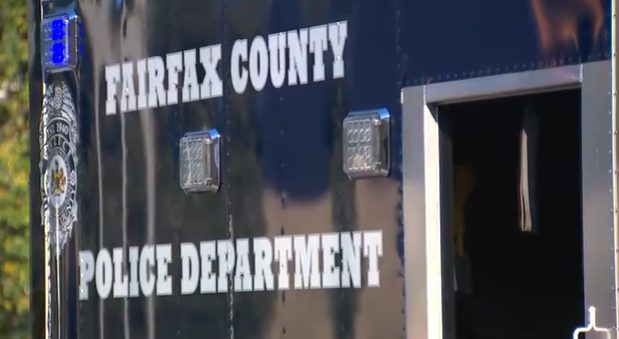
Fairfax County, Va. – County law‑enforcement officials are sounding the alarm over a Virginia statute that permits individuals accused of murder and found not guilty by reason of insanity to leave a mental‑health facility for unescorted community visits without any notification to local police.
Police Chief Kevin Davis told reporters he has never been informed of a process that alerts the Fairfax County Police Department when such releases occur. “I am completely unaware of any process that exists that involves a notification to the Fairfax County Police Department,” Davis said, adding that the practice runs counter to the intuition most people have about how detainees or patients in psychiatric hospitals are handled.
Concerns from veteran investigators
Retired Fairfax County homicide detective Steve Shillingford, who spent 11 years investigating murders, noted that while insanity pleas are rare, there have been at least a dozen not‑guilty‑by‑reason‑of‑insanity pleas in the county since 2019. He warned that the current law allows a state mental‑health hospital to override a judge’s order denying release, potentially putting the public at risk.
Shillingford cited a recent case involving Abdulloi Toshpulodzoda, who was granted an unescorted community visit, later fled the country, and reportedly received assistance from the Commonwealth Attorney’s office to obtain a passport. “There’s no way they were helping him get a passport,” Shillingford said, describing the situation as “a red flag.”
Hospital officials’ role
State hospital doctor Azure Baron, who remains employed by Fairfax County, signed letters approving unescorted community visits for at least two murder defendants who pleaded not guilty by reason of insanity, including Toshpulodzoda. Reports from Loudoun Now indicate Baron also approved a third such visit in 2024.
The Virginia Department of Behavioral Health confirmed that even when a judge explicitly denies conditional release, the department is not legally barred from granting unescorted community privileges. The department still classifies these individuals as technically “in custody,” despite allowing them to move freely in the community.
Legal and public‑safety implications
County officials argue that the lack of notification undermines the ability of police to monitor individuals who may pose a danger. The situation raises questions about the balance between mental‑health treatment, constitutional due‑process rights, and community safety.
State legislators have faced criticism from law‑enforcement groups who contend that the law, originally intended to aid recovery and reintegration, now creates a loophole that can be exploited by dangerous individuals. Advocates for victims’ families are calling for revisions that would require judicial oversight and police notification before any unescorted community visit is permitted.
As the debate continues, Fairfax County police are urging the Commonwealth Attorney’s office and the Department of Behavioral Health to establish a clear notification protocol. “Public safety is a shared responsibility,” Chief Davis said. “If we are to trust this system, we need transparency and coordination.”
Original reporting: Arlington County | FOX 5 DC — read the source article.