Most people driving through West Valley City assume there’s nothing worth stopping for. That’s the reputation, earned or not, and plenty of locals will half-agree with you just to end the conversation. So it’s worth noting that the Fairbourne Station TRAX stop and its surrounding transit-oriented development is quietly doing something that most Utah suburbs have never managed: making a walkable, mixed-use district that actually works.
The light rail station sits at roughly 3500 South and 2700 West — not glamorous coordinates, but functional ones. UTA’s TRAX Green Line connects here, running west from downtown Salt Lake, and the stop is clean, well-lit, and genuinely useful. That part’s unremarkable. What’s around it is more interesting.
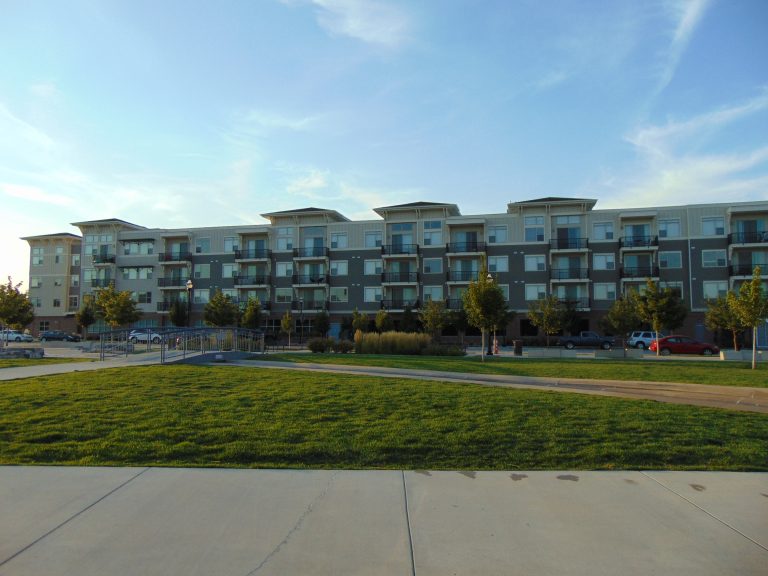
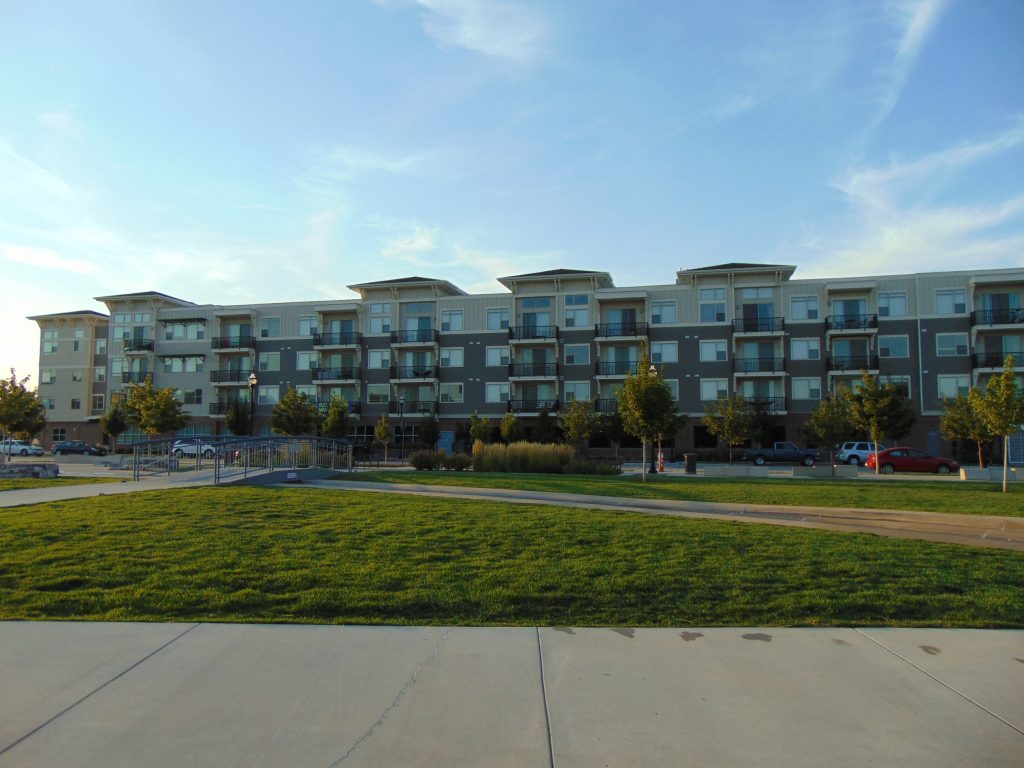
Developers built Fairbourne Station the development to cluster housing, retail, and office space around the transit hub rather than the usual approach of dropping a train stop in a parking lot and calling it urban planning. The result is a walkable stretch that includes apartments, a handful of restaurants and services, and enough foot traffic on a weekday morning to remind you that people do, in fact, live here without cars.
The design isn’t going to end up in an architecture magazine. It’s functional mixed-use, not inspired mixed-use. But the bones are right — ground-floor retail with housing above, streets that account for pedestrians, public plazas that see actual use rather than purely decorative grass no one is allowed to touch. For West Valley City, which is otherwise entirely car-dependent, this counts as something.
What makes Fairbourne Station worth visiting rather than just worth acknowledging is how easy it makes a car-free afternoon. Ride the TRAX in from Salt Lake, grab lunch at one of the nearby spots along 3500 South — the stretch has options that pre-date the development and have nothing to do with it — then walk the district for twenty minutes and get a sense of what the city’s trying to become. It’s not transformative yet. But it’s a start, and starts matter in a region where most transit infrastructure begins and ends at a park-and-ride.
Parking, if you insist, is available. The irony is intentional. TRAX fare runs $2.50 for a one-way ride or $5 for a day pass, which covers the whole system. The Green Line runs frequently enough — roughly every fifteen minutes during peak hours — that you don’t need to plan around it obsessively.
There’s no admission fee, no gift shop, nothing to Instagram that will get you any traction. What Fairbourne Station offers is a proof of concept: that West Valley City can build something oriented around people rather than cars, and that it doesn’t have to feel like downtown Salt Lake to be worth showing up to. Whether the city follows through on that promise in the years ahead is a separate question. For now, the station itself is evidence that someone, at some point, thought carefully about what a neighborhood should feel like.
That’s rarer around here than it should be.