The University of Kentucky Art Museum charges no admission. That surprises most people. The second surprise is what’s actually inside.
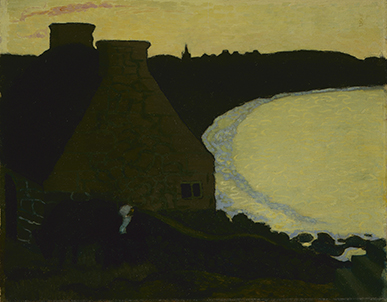
First-timers tend to assume a university art museum means student work — senior thesis paintings, maybe a few faculty photographs. What they find instead is a permanent collection of roughly 4,500 objects spanning six centuries: Rembrandt etchings, West African ceremonial objects, pre-Columbian ceramics, American modernist paintings, and a photography archive substantial enough to anchor a serious research visit. The temporary exhibitions rotate about four times a year and have brought in work by artists operating well outside the academic-showcase circuit.
The museum sits on the southeastern edge of UK’s campus, inside the Singletary Center for the Arts on Rose Street. Parking in that part of campus on a weekday can require a little patience — the Rose Street garage nearby is your safest option, and it’s a short walk. On weekends, things loosen up considerably, and a Saturday afternoon visit feels genuinely unhurried. Hours run Tuesday through Sunday; the museum is closed Mondays.
The building itself doesn’t announce itself the way a standalone institution might. You walk through the Singletary Center’s main corridor, past the concert hall entrance, and the museum opens to your left. The galleries are clean and well-lit, with enough square footage to give large-format works room to breathe without feeling cavernous. On a quiet Tuesday afternoon, it’s possible to stand alone in front of a significant piece for as long as you want. That’s rarer than it sounds.
What lingers from a visit is often something you didn’t plan to notice. The photography collection, which includes work from the Farm Security Administration era, is quietly strong. The collection of Japanese prints is the kind of thing that rewards multiple visits — different moods, different light, different things catch your eye. The African art holdings are taken seriously here, presented with context rather than as decorative curiosity.
The gift shop is small and thoughtful. No tchotchkes, no refrigerator magnets — mostly exhibition catalogues, art books, and a modest selection of prints. Staff are easy to flag down and generally know the collection well enough to give you a useful pointer if you ask.
For a family with kids, this is a lower-pressure entry into art museum culture than somewhere louder and more crowded. Nothing is roped off in a way that feels punishing, and the scale is approachable. That said, the programming calendar also includes lectures, film screenings tied to exhibition themes, and the occasional gallery talk — which skews toward a more adult audience and is worth checking before you go.
If you’re in town for a few days and you’ve already covered the bourbon trail or the horse farms, this is the kind of place that holds up against those better-known draws. It won’t give you a selfie opportunity with a famous skyline, but it will show you something you didn’t expect, at no cost, in a city that doesn’t always advertise its own depth. That seems like a reasonable trade.