

Located in the Sierra Madre Mountains of Carbon County, Wyoming, the former mining settlement of Battle sits at nearly 10,000 feet above sea level. Established in 1898 during the boom of the Encampment District, the town never grew large enough to survive the rapid decline of local copper mining. By 1905 the post office had closed and the last residents had left, leaving the community with a population of zero.
Why the Town Is Called Battle
The name derives from early clashes between miners and sheepherders, as well as earlier skirmishes with native tribes before the town’s founding. A more famous conflict occurred nearby in 1841 at Bastion Mountain, where French‑Canadian fur trappers led by Henry Fraeb fought a large force of Sioux, Cheyenne and Arapaho warriors. The nearby Battle Lake and Battle Pass bear the same name, preserving the memory of that bloody encounter.
What Remains Today
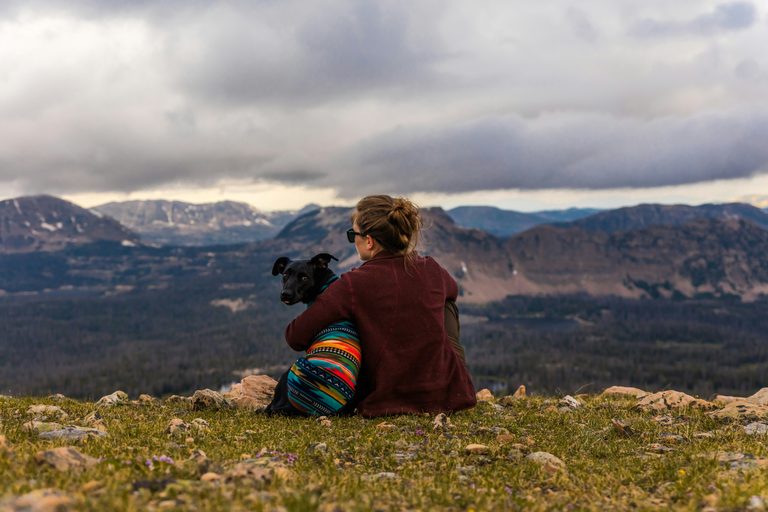
Today, visitors to Battle will find little more than foundations, rusted mining equipment and interpretive signs that explain the town’s brief existence. The area’s natural beauty more than makes up for the lack of structures. The surrounding Medicine Bow National Forest offers towering pines, aspen groves and sweeping mountain vistas that are especially striking in the fall.
Scenic Drive: Battle Pass Byway
The Battle Pass Scenic Byway follows Wyoming Highway 70 for 57 miles, climbing over the crest of the Sierra Madre Mountains. Starting in the historic town of Baggs, travelers head east toward Encampment, passing through a patchwork of well‑kept farms, ranches and forested hills. Along the way, the route offers several points of interest:
- Baggs – A small community with a museum housed in the former cabin of outlaw Butch Cassidy and his wife.
- Dixon – An incorporated town of about 74 residents, known for its charming homes and landscaping.
- Savery – An unincorporated ranching community where a local museum displays restored historic buildings.
- Battle Pass Overlook – Markers explain the 1841 battle and the town’s short‑lived mining era.
- Encampment – The gateway to the Snowy Range, offering additional hiking and outdoor recreation.
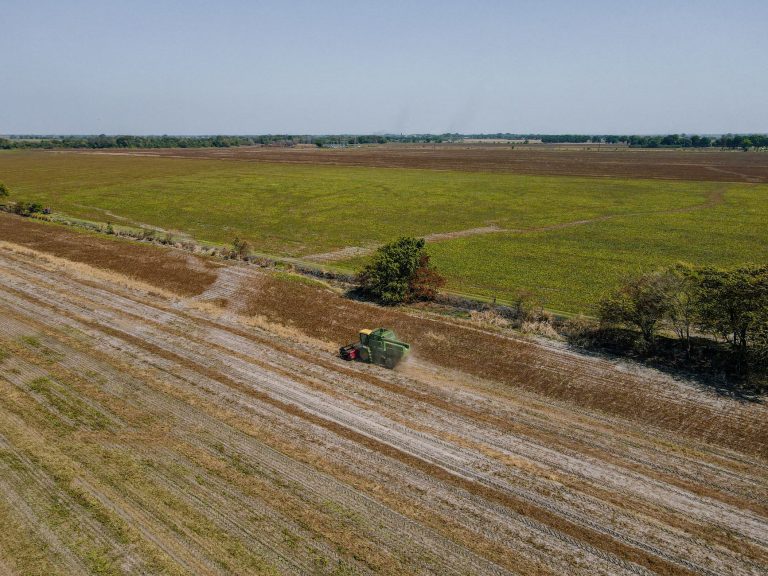
The drive is praised for its rolling hills, clear skies and the contrast between cultivated farmland and wild forest. It provides a peaceful way for Wyoming residents and visitors to connect with the state’s frontier heritage while enjoying modern road conditions.
Unexpected Historical Note
Two miles west of the Continental Divide, a modest monument claims that Thomas A. Edison vacationed near Battle in 1878 and, according to local lore, conceived the idea for his incandescent light‑bulb filament while tossing a frayed bamboo fishing pole into a campfire. Whether fact or folklore, the story adds a quirky footnote to the area’s rich tapestry of western history.
Visiting Tips
Travelers should allow several hours to fully experience the byway, stopping at the museums in Baggs and Savery, taking short hikes in the national forest, and pausing at the Battle Pass overlook for photos. The high elevation can bring sudden weather changes, so dressing in layers and carrying water is advisable. Cell service may be limited, making the drive an ideal opportunity to unplug and appreciate the natural surroundings.
Although Battle, Wyoming, no longer has any residents, its story of rapid rise and swift decline remains a vivid reminder of the boom‑and‑bust cycles that shaped the American West. The scenic byway that bears its name invites modern travelers to reflect on that history while enjoying some of the most beautiful drives Wyoming has to offer.
Original reporting: K2 Radio (Casper) — read the source article.