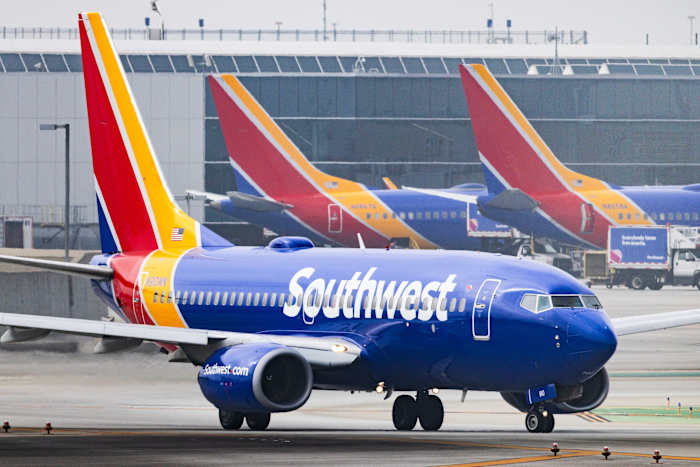
Safety experts say airlines need better, more realistic pilot training after smoke filled a Southwest Airlines cockpit following a 2023 bird strike, and this article looks at what that training should cover, who that training must involve, and why the industry is facing a moment of hard choices over cost, technology, and safety.
Pilots trained for clear skies are not always ready for a thick, blinding fog of smoke in the cockpit. When a bird strike in 2023 sent smoke into a Southwest Airlines flight deck, crews faced an overwhelming sensory problem: instruments could be hard to read, oxygen and visibility could be compromised, and every second mattered. Safety experts now say traditional simulator drills fall short because they rarely recreate the stress, noise, and disorientation real smoke produces.
Realistic training means more than a checklist exercise. Instructors are calling for scenario-based sessions that force pilots to manage degraded vision, cross-check instruments by feel and sound, and prioritize communication with cabin crew and air traffic control. That approach trains judgment under pressure, not just rote memory of procedures, and it can tilt outcomes toward safer, faster decisions when equipment or visibility fails.
Recreating smoke safely is its own problem. You cannot pump toxic smoke into a simulator and expect crews to learn without risk, so training centers must invest in alternatives like theatrical smoke, fog generators, or virtual reality overlays that mimic obscured sightlines. Those tools let pilots practice reaching for backup instruments, navigating with minimal visual cues, and coordinating evacuations without endangering trainees or equipment.
Equipment and cockpit design also play a role in whether crews can cope with smoke events. Clear, redundant instrumentation that is intuitive to use in low-visibility situations helps, as do smoke goggles, effective oxygen masks, and easily reachable flashlights. Experts stress that training should include repeated hands-on use of those items so they become automatic when the pressure is highest.
Airlines, regulators, and pilot groups will have to agree on what counts as acceptable training. That conversation is about money and logistics as much as safety. Airlines face tight budgets and packed training schedules, while regulators must balance industry burden with the public interest. Pilot unions and safety advocates argue that cutting corners now risks lives later, and they want standards that ensure every crew faces tough, realistic drills at regular intervals.
Maintenance and wildlife management matter upstream from the cockpit. Reducing bird strikes through airport habitat control, improved engine resilience, and better detection systems lowers the chances a flight crew will ever face a smoke-filled cockpit. But because no system is perfect, safety experts say fallback training and cockpit preparedness must be treated as essential insurance rather than optional extras.
Finally, communication and teamwork get tested during smoke events, so training should put crews and cabin staff together in joint drills. When pilots practice telling flight attendants what they need and cabin crews rehearse evacuations under realistic stress, everyone knows their role and can act faster if smoke spreads. Those human factors are often the difference between a contained incident and a crisis.