Chronic inflammation can lead to various chronic diseases, according to Dr. Roshini Raj, a gastroenterologist and clinical associate professor at NYU Grossman School of Medicine. To reduce inflammation, it’s essential to have a balanced gut microbiome, which can be achieved through food choices.
Identifying Anti-Inflammatory Foods
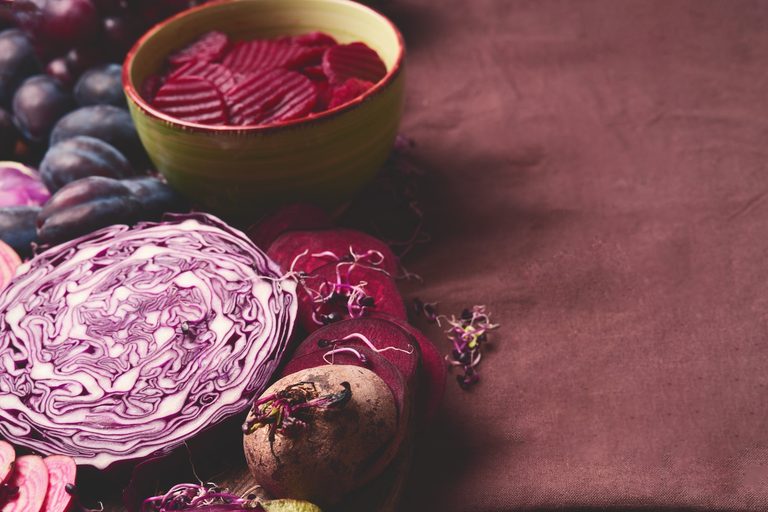
Natalie Rizzo, a registered dietitian and TODAY nutrition editor, recommends focusing on whole, minimally processed foods, especially those with deep, rich colors. These foods tend to contain pigments and other health-boosting plant compounds that can reduce inflammation and are high in fiber.
Examples of anti-inflammatory foods include blackberries, purple cabbage, and beets. Raj also recommends colorful fruits and veggies due to their high antioxidant profile. Dark pigments, like anthocyanins in blueberries or lycopene in tomatoes, are often a sign of beneficial plant compounds called phytonutrients, which have potent antioxidant and anti-inflammatory properties.
Rizzo suggests pairing these foods with other anti-inflammatory staples, such as leafy greens, nuts, seeds, beans, whole grains, and healthy fats, to support overall health and reduce chronic inflammation over time.
While lighter-colored foods, like white potatoes or white carrots, may not be as rich in phytonutrients, they still contain healthy compounds and antioxidants. Raj’s favorite foods for promoting a healthy gut microbiome and reducing inflammation include yogurt with active cultures, kefir, and sauerkraut, which are high in probiotics.
Berries, such as blackberries, blueberries, and raspberries, are excellent choices for reducing inflammation. They are rich in gut- and heart-healthy fiber and packed with antioxidant plant compounds. Adding berries to your diet can be as simple as having them with your morning yogurt or oatmeal, snacking on them throughout the day, or adding them to salads for a burst of flavor.
To further reduce inflammation, Raj recommends minimizing consumption of alcohol and ultraprocessed foods, as well as eating more foods high in omega-3 fatty acids.
Original reporting: Dallas TX News (HLL/CB) — read the source article.