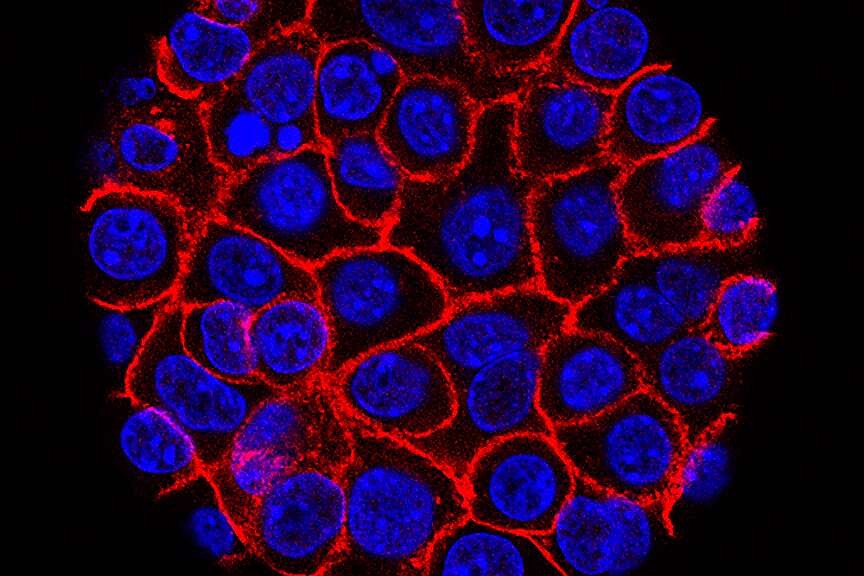
A groundbreaking new pill, daraxonrasib, is providing renewed hope for individuals battling advanced pancreatic cancer. This experimental drug has demonstrated the ability to nearly double the survival time for patients, compared to traditional chemotherapy, according to recent findings presented at the American Society for Clinical Oncology meeting in Chicago.
Significant Breakthrough in Treatment
The study, involving 500 patients with metastatic pancreatic cancer, revealed that those taking daraxonrasib lived for a median of 13.2 months, compared to 6.7 months for those receiving more chemotherapy. This marks a substantial improvement, as pancreatic cancer has long been one of the most challenging cancers to treat effectively.
Dr. Zev Wainberg of the University of California, Los Angeles, who co-led the study, emphasized the significance of this development, noting that the drug targets a mutated protein responsible for tumor growth in over 90% of pancreatic cancer cases. This target had previously eluded effective treatment for decades.
Improved Quality of Life
Patients using daraxonrasib reported fewer severe side effects and a better quality of life, with many experiencing reduced pain and tumor shrinkage. Dr. Rachna Shroff of the University of Arizona Cancer Center, who was not involved in the research, expressed her emotional response to the study’s results, highlighting the meaningful benefits patients received from the treatment.
While the drug’s effects eventually diminish, many patients continued using it beyond the study period, suggesting the survival gap may widen as further data is collected. The drug’s manufacturer, Revolution Medicines, is pursuing expedited review by the Food and Drug Administration and has initiated an expanded access program for eligible patients.
Future Implications
Experts believe daraxonrasib could become a new standard of care for previously treated metastatic pancreatic cancer. Researchers are also exploring its potential use earlier in the disease progression, with hopes that it might enable more patients to qualify for surgery.
Pancreatic cancer remains one of the deadliest forms of cancer, with the American Cancer Society estimating 67,000 new cases in the U.S. this year and over 52,000 deaths. The five-year survival rate is a mere 13%, underscoring the urgent need for more effective treatments.
As the medical community continues to explore innovative approaches, including vaccines to prevent cancer recurrence, daraxonrasib represents a significant step forward in the fight against pancreatic cancer.
Original reporting: Texarkana Gazette — read the source article.